
If you’re thinking about straightening your teeth, one of the first questions you’ll probably ask is, “How long is this going to take?”. Whether you’re a busy parent in Texas juggling school schedules or an adult balancing work and family life, you want to know what to expect before starting orthodontic treatment.
Most orthodontic treatment takes 12 to 24 months. But that range can shift depending on your age, the condition of your teeth, the type of treatment you choose, and how consistent you are with care.
The only way to know for sure is through a comprehensive orthodontic evaluation. Your orthodontist will look at:
- Tooth alignment
- Jaw relationship
- Bite function
- Gum and bone health
- Your lifestyle and goals
From there, they can give you a realistic estimate of your braces or clear aligner treatment timeline.
The Average Orthodontic Treatment Timeline
In general:
- Mild alignment issues: 6–12 months
- Moderate crowding or spacing: 12–18 months
- More complex bite problems: 18–24 months (sometimes longer)
If you’re searching for “how long do braces take” or “average time for teeth straightening,” this is the range most patients fall into.
No two smiles move the same way. Teeth respond to steady, controlled pressure and that takes time. Moving them too fast can damage roots or bone. We always aim for safe, stable results that last.
What Affects How Long Braces Take?
Several factors influence your orthodontic treatment length.
1. The Complexity of Your Case
Simple spacing issues usually move faster than significant crowding, overbites, underbites, or crossbites. If your bite needs correction, that typically adds time because your dentist is not just straightening teeth – they’re aligning your jaws properly.
2. Your Age
Many, considering orthodontic treatment like braces, often search for answers for “Do braces take longer for adults?”
Yes – but not dramatically longer.
Teenagers’ bones are still developing, which can allow teeth to move a bit more efficiently. Adults have fully developed bone structure, so movement can take slightly longer. That said, modern orthodontic techniques make treatment highly effective at any age.
We treat plenty of adults across Texas who are finally getting the smile they’ve wanted for years and it’s well worth the time.
3. Type of Orthodontic Treatment
Different appliances can influence your treatment timeline.
Traditional Metal Braces
These remain one of the most efficient tools for correcting complex alignment and bite issues. For moderate to severe cases, braces often provide the most predictable timeline.
Ceramic Braces
These work similarly to metal braces but blend in more with your teeth. Treatment time is usually comparable to traditional braces.
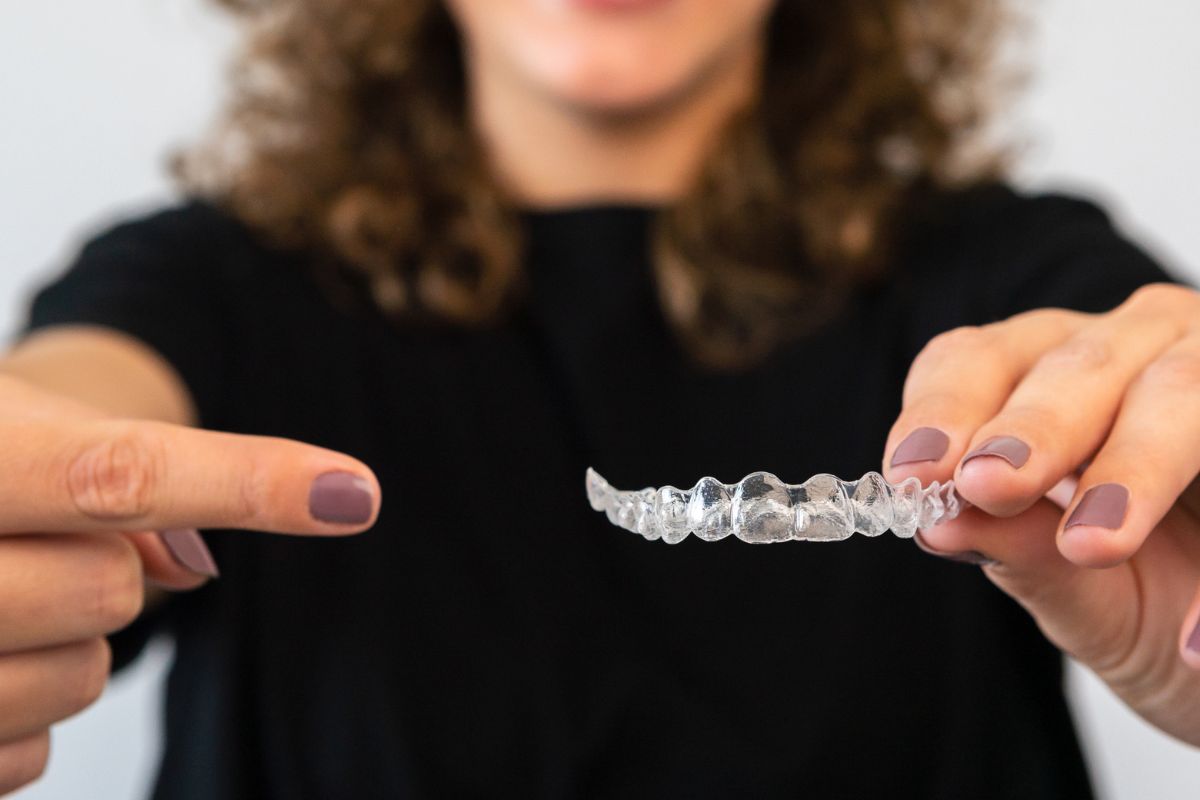
Clear Aligners (like Invisalign®)
Clear aligners can treat many mild to moderate cases effectively. For minor crowding or spacing, aligner treatment may take 6–18 months. However, more complex bite issues may take longer or require attachments and refinements.
When people search for “Invisalign treatment timeline,” they’re often surprised to learn it can be just as efficient as braces, if worn consistently.
4. Patient Compliance
This one matters more than folks realize.
If you wear aligners 20–22 hours per day as instructed, treatment stays on track. If aligners sit in a case most of the day, treatment drags out.
With braces, missed appointments, broken brackets, or poor oral hygiene can slow progress as well.
We give clear instructions for a reason. Staying consistent can shave months off your overall orthodontic treatment time.
How Often Will You Visit During Treatment?
Most patients come in every 6–8 weeks for adjustments or progress checks. These appointments are essential for keeping your treatment on schedule.
Skipping visits can delay movement and extend the total time in braces or aligners.
Can Orthodontic Treatment Be Done Faster?
You may see ads promising accelerated orthodontics or “fast braces.” While certain technologies can improve efficiency, there are biological limits to how quickly teeth can move safely.
Teeth shift through bone remodeling. That process cannot be rushed without increasing the risk of:
- Root damage
- Gum recession
- Bone loss
- Unstable results
A properly planned 18-month treatment that delivers lasting results is far better than rushing and compromising your long-term oral health.
What Can Delay Orthodontic Treatment?
If you’re wondering what might extend your braces treatment time, here are common reasons:
- Not wearing aligners as prescribed
- Poor oral hygiene leading to gum inflammation
- Broken brackets or wires
- Missed appointments
- Delayed rubber band wear (for bite correction)
When you follow through at home, treatment moves right along.
After Braces: Retainers Matter
Once active treatment ends, you’ll wear retainers. Some folks assume this means treatment is “over,” but retainers are what keep your teeth from shifting back.
Skipping retainers can undo months — even years — of progress.
Wearing retainers as instructed protects your investment of time and keeps your smile stable for the long haul.
Ready to Start Your Orthodontic Journey in Texas?
If you’ve been putting off braces or clear aligners because you’re unsure about the time commitment, let’s clear that up. At BLVD Dentistry & Orthodontics, we help patients across Texas understand exactly what to expect before treatment begins.
With multiple convenient locations in Texas – Austin, Houston, Fort Worth, our team makes it easier to fit orthodontic care into your schedule – whether you’re a busy parent, a working professional, or bringing in your teenager for their first consultation.
Find our office locations and schedule your orthodontics consultation.
Frequently Asked Questions
1. Do braces hurt, and does discomfort mean treatment is working?
It’s normal to feel mild soreness for a few days after getting braces placed or adjusted. That tenderness simply means your teeth are responding to gentle pressure and beginning to shift. The discomfort is usually manageable with soft foods and over-the-counter pain relief if needed.
Clear aligners can also cause slight pressure when switching to a new set, but it typically fades within a couple of days. If pain feels sharp or persistent, that’s not typical — and it’s always worth checking in.
2. Is Invisalign faster than traditional braces?
It depends on your case. For mild to moderate alignment issues, clear aligners can sometimes work just as quickly as braces — often within 6 to 18 months. However, for complex bite problems or significant crowding, traditional braces may be more efficient. The key factor with aligners is wearing them 20–22 hours per day. Consistency keeps treatment on schedule.
3. What can make orthodontic treatment take longer?
Several things can extend your treatment timeline:
- Not wearing aligners as instructed
- Missing adjustment appointments
- Broken brackets or wires
- Not wearing rubber bands for bite correction
- Poor oral hygiene causing gum inflammation
4. Can teeth move faster if I choose accelerated orthodontics?
Teeth move through a natural biological process called bone remodeling, and that process has limits. While certain tools may improve efficiency, moving teeth too quickly can risk root damage or unstable results. Safe, steady movement leads to healthier gums, stronger bone support, and long-lasting outcomes.