Not every orthodontic concern is obvious.
Some people notice crowded teeth when they smile, while others may not realize their bite is uneven until they experience difficulty chewing or keeping certain areas clean. Children may also develop alignment concerns as their permanent teeth come in.
Knowing the signs can help you decide when an orthodontic evaluation may be appropriate.
If you are searching for an Orthodontist in Houston Heights, understanding these warning signs can help you recognize when it may be time to schedule an evaluation.
Your Teeth Are Crowded or Overlapping
Crowding occurs when there is not enough room for teeth to align properly.
You may notice teeth overlapping one another, rotating, or appearing pushed toward the front or back of the dental arch.
Crowded teeth can also make brushing and flossing more difficult because some areas are harder to reach.
An orthodontic evaluation can help determine whether crowding is affecting your bite or oral hygiene and whether treatment may be beneficial.
You Have Noticeable Gaps Between Teeth
Spacing is another common alignment concern.
Some gaps may be related to the natural size and position of your teeth, while others can develop because of tooth loss, tooth movement, or other factors.
Not every space requires orthodontic treatment. An orthodontist can evaluate the cause and determine whether closing the space would be appropriate.
Your Upper and Lower Teeth Don’t Meet Properly
A healthy bite involves more than having straight-looking front teeth.
Orthodontists also evaluate how the upper and lower teeth come together.
Concerns may include:
- Overbite
- Underbite
- Crossbite
- Open bite
- Uneven bite
- Teeth that do not meet comfortably
These issues can affect chewing and may influence how forces are distributed across your teeth.
A bite correction consultation can help determine whether an orthodontic issue is present and what treatment options may be appropriate.
You Have Difficulty Cleaning Certain Teeth
Crooked or crowded teeth can create areas that are difficult to clean thoroughly.
If you consistently struggle to brush or floss around certain teeth, alignment may be part of the problem.
Improving tooth positioning can sometimes make daily oral hygiene easier.
However, orthodontic treatment is not a substitute for regular brushing, flossing, flossing aids, professional cleanings, or dental examinations.
Your Teeth Are Shifting
Teeth can move over time.
Adults who previously had orthodontic treatment may notice their teeth gradually becoming crowded or spaces reopening, particularly if they have not consistently used their retainer.
New tooth movement can also occur for other reasons.
If you notice a significant change in your alignment, an orthodontic evaluation can help determine what is happening and whether treatment should be considered.
Your Child’s Teeth Are Developing Unevenly
Parents sometimes wait until all permanent teeth have erupted before considering orthodontic care.
However, certain developing alignment or bite concerns may benefit from an earlier assessment.
An evaluation does not automatically mean a child needs braces or immediate treatment. It allows the orthodontist to monitor development and determine whether treatment would be helpful now or later.
You Notice Jaw or Bite Discomfort
Jaw discomfort can have many possible causes, so it should not automatically be attributed to orthodontic problems.
However, if discomfort occurs alongside noticeable bite changes, tooth movement, or difficulty bringing the teeth together, an orthodontic evaluation may help determine whether alignment should be considered as part of the overall picture.
If you experience persistent or significant jaw pain, discuss it with a dental professional.
When Should Adults See an Orthodontist?
Orthodontic treatment is not limited to children and teenagers.
Adults may seek treatment because their teeth have shifted, they want to address crowding or spacing, or they want to improve the function and appearance of their bite.
An adult orthodontic consultation in Houston Oak Forest can help determine which options fit the patient’s alignment, bite, oral health, and treatment goals.
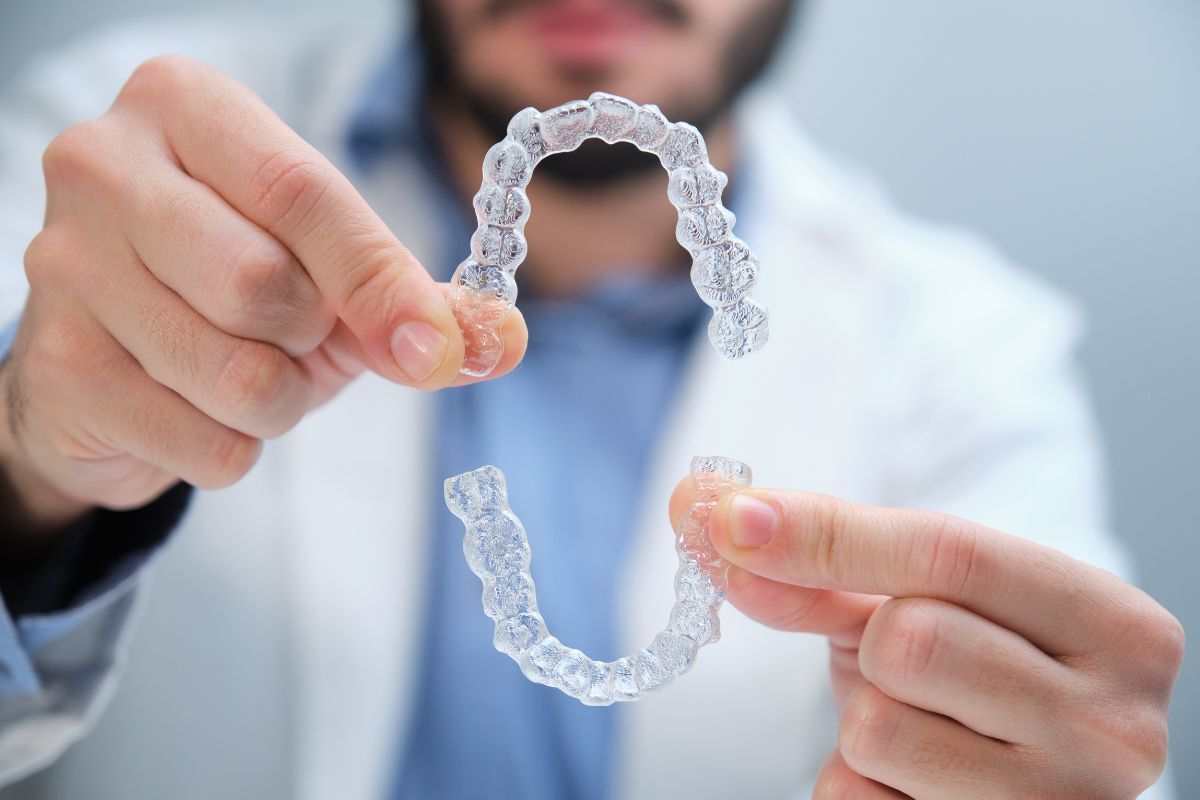
Depending on the situation, treatment may involve traditional braces, clear aligners, or another approach.
What Happens During an Orthodontic Evaluation?
An orthodontic evaluation typically involves examining the teeth and bite and discussing your concerns and goals.
The orthodontist may evaluate:
- Tooth alignment
- Spacing and crowding
- Bite relationship
- Jaw position
- Facial development
- Existing dental work
- Oral health
- Treatment goals
The exact evaluation process depends on the patient and the concerns being assessed.
The purpose is to understand the problem before recommending treatment.
Should You See an Orthodontist Even If Your Teeth Look Straight?
Yes, an evaluation can still be useful if you have concerns about your bite.
Teeth can appear relatively straight from the front while the way the upper and lower teeth meet remains uneven.
This is why orthodontic assessment considers more than appearance alone.
Final Thoughts
You do not have to wait until an orthodontic problem becomes severe before asking questions.
Crowding, spacing, shifting teeth, bite irregularities, difficulty cleaning certain areas, and developing concerns in children can all be reasons to discuss an evaluation with an orthodontist.
If you are looking for an Orthodontist Houston, an evaluation can help clarify whether orthodontic treatment is appropriate and what options may fit your needs.
BLVD Dentistry & Orthodontics provides dental and orthodontic care for patients in the Houston market, allowing treatment recommendations to be based on individual needs rather than appearance alone.
FAQs
At what age should someone see an orthodontist?
There is no single age that applies to everyone. Children, teenagers, and adults may benefit from an orthodontic evaluation depending on their dental development, alignment, bite, and concerns.
Can adults still benefit from orthodontic treatment?
Yes. Adults can seek orthodontic treatment for crowding, spacing, bite concerns, tooth movement, and other alignment issues.
Do crooked teeth always require braces?
No. Treatment depends on the severity and type of alignment concern, the patient’s oral health, bite, and goals. An orthodontist can determine whether treatment is recommended.
What is a crossbite?
A crossbite occurs when one or more upper teeth bite inside the corresponding lower teeth rather than outside them. An orthodontist can evaluate the severity and appropriate treatment.
Can an orthodontist help with bite problems?
Yes. Orthodontists specialize in evaluating tooth alignment and bite relationships and can recommend appropriate treatment when an orthodontic problem is present.