
Choosing a dental office is about more than finding the closest appointment. When searching for a Dentist Houston patients can rely on, it helps to consider what you need today and what you may need in the future.
A dental office may become part of your long-term healthcare routine. Preventive examinations, professional cleanings, restorative treatment, orthodontic care, and urgent dental needs can all arise at different points in life.
Rather than choosing based on one factor, consider the overall patient experience and the range of care available.
Start With Your Current Dental Needs
Your first step should be identifying why you are looking for a dental office.
Maybe you need routine preventive care. Perhaps you have a damaged tooth, persistent sensitivity, or an upcoming orthodontic consultation. You may also be looking for a practice that can provide care for different members of your household.
Understanding your immediate needs can help narrow your choices.
For example, if you are looking for comprehensive dental care in Richmond, BLVD’s Richmond location lists crowns, dentures and bridges, orthodontics, dental implants, endodontics, emergency dentistry, oral surgery, and other services.
What Happens During a First Visit?
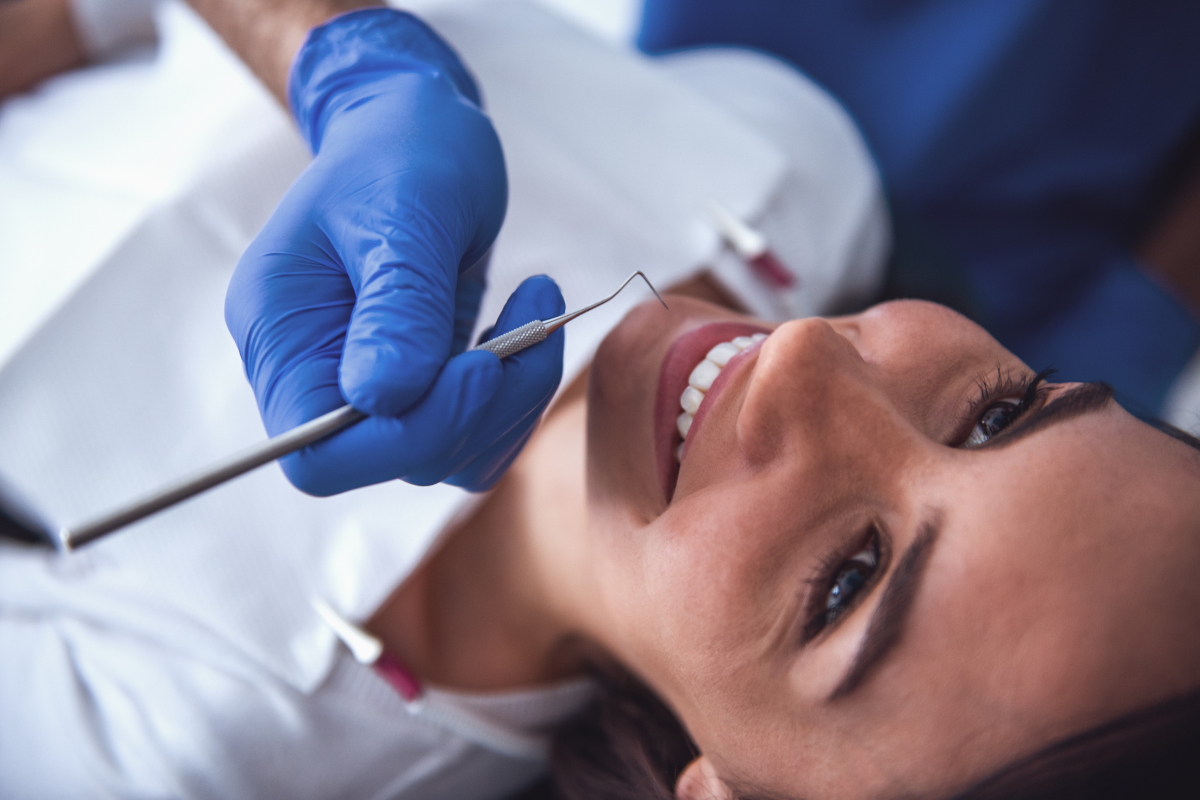
A first dental visit typically gives the dental team an opportunity to understand your oral health history and current concerns.
Your dentist may examine your teeth and gums and use dental X-rays or other diagnostic tools when appropriate.
The purpose is not simply to find cavities. The appointment can establish a baseline for your oral health and identify areas that may need attention.
If treatment is recommended, you should have an opportunity to ask questions and understand why it is being suggested.
Ask What Treatment Should Come First
A dental examination can reveal more than one concern.
That does not necessarily mean everything needs to be treated simultaneously.
Ask your dental team:
- Which issues need attention soon?
- Which problems can be monitored?
- What preventive steps can I take?
- What treatment alternatives are available?
- What could happen if a recommended treatment is delayed?
This can make your treatment plan easier to understand and prioritize.
If a tooth is significantly damaged, for example, dental crowns for weakened or damaged teeth may be one restorative option depending on the dentist’s evaluation.
Look for Preventive Dental Care
A strong dental routine is not based only on treating problems after they develop.
Regular examinations and professional cleanings help your dental team monitor your teeth and gums over time.
Your dentist can also discuss brushing, flossing, dietary habits, and other home-care practices that may support your oral health.
When comparing offices, ask how often the practice recommends preventive appointments for patients based on their individual needs.
Consider the Range of Services
Your dental needs may change over the years.
A patient who currently needs only routine care might eventually need a crown, tooth replacement, endodontic treatment, orthodontic care, or emergency treatment.
BLVD’s Spring service page includes crowns, dentures and bridges, orthodontics, dental implants, endodontics, emergency dentistry, oral surgery, fillings, veneers, and other services.
That makes service availability a practical factor when evaluating a long-term dental office.
For example, patients interested in dental implants for missing teeth in Richmond can review the Richmond implant service as one example of restorative care available at the practice.
Ask About Orthodontic Options
Orthodontic care may become relevant for children, teens, or adults.
If you are considering alignment treatment, ask whether the practice provides orthodontic evaluations and which treatment options are available.
BLVD’s Spring orthodontic page describes traditional braces, ceramic braces, and clear aligners such as Invisalign as orthodontic options.
The appropriate option depends on the individual’s teeth, bite, oral health, and treatment goals.
You can learn more about Braces & Invisalign® treatment in Spring when researching the orthodontic services available at the location.
Don’t Ignore Emergency Dental Care
Another practical question is what happens when an unexpected dental problem occurs.
A severe toothache, broken or cracked tooth, knocked-out permanent tooth, or an object lodged between the teeth may require prompt dental attention.
BLVD’s Spring emergency dentistry page identifies severe toothache, lodged objects, knocked-out permanent teeth, and broken or cracked teeth as common dental emergencies.
Knowing how your dental office handles urgent problems before an emergency occurs can make an unexpected situation less stressful.
Patients can also review urgent dental care in Spring as a dedicated service when determining where emergency concerns may be addressed.
Pay Attention to Communication
Dental treatment involves decisions, and communication matters.
During a consultation, consider whether the dental team:
- Listens to your concerns
- Explains recommendations clearly
- Answers questions directly
- Discusses available options
- Explains what happens next
- Helps you understand your responsibilities at home
You should not feel pressured to understand complicated dental terminology without explanation.
A patient-centered approach means you have an opportunity to participate in decisions about your care.
Think About Convenience Without Making It the Only Factor
Location and appointment availability matter, but they should not be your only criteria.
Consider whether the office can support your needs over time and whether the services you are most likely to need are available.
You may also want to ask about appointment scheduling, communication, insurance participation, payment options, and what to do if you need urgent assistance.
These practical questions can be just as important as the clinical services themselves.
Build a Long-Term Dental Relationship
A dental office should ideally be somewhere you can return to for ongoing care.
Over time, your dentist can become familiar with your dental history, previous treatments, and preventive needs.
That continuity can make it easier to monitor changes and make informed decisions when treatment becomes necessary.
The right office is not necessarily the one with the longest service list or the shortest drive. It is the one where the available care, communication, and overall experience fit your needs.
The Bottom Line
When choosing a Dentist Houston, look beyond the first appointment.
Consider preventive care, treatment communication, available services, emergency support, orthodontic options, restorative care, and long-term convenience.
Most importantly, choose a dental office where you feel comfortable asking questions and understanding your treatment options.
FAQs
Q1: What should I ask a new dentist during my first appointment?
Ask about your current oral health, recommended treatment, preventive-care needs, available alternatives, and any concerns you have.
Q2: How often should I visit the dentist?
Your dental team can recommend an appointment schedule based on your individual oral health and risk factors.
Q3: Should a dental office offer emergency care?
Knowing how the office handles urgent dental problems can be useful, particularly if you develop severe pain, a broken tooth, or another unexpected concern.
Q4: Can the same dental office provide orthodontic treatment?
Some practices provide both general dental and orthodontic services. The appropriate treatment depends on your individual needs.
Q5: Why is preventive dental care important?
Routine examinations and professional cleanings allow your dental team to monitor your oral health and address concerns before they become more complicated.
