
Replacing a missing tooth is a decision that deserves more than a quick appointment and a one-size-fits-all recommendation. If you are researching Dental Implants Houston, you may already know that implants can provide a foundation for replacement teeth. The next step is understanding whether they are appropriate for your oral health and what the treatment process would look like for you.
A consultation should give you a clear picture of the proposed treatment, the condition of the area being treated, the restoration that may be used, and the care required afterward. Knowing what to ask can make that conversation much more productive.
Why an Implant Consultation Matters
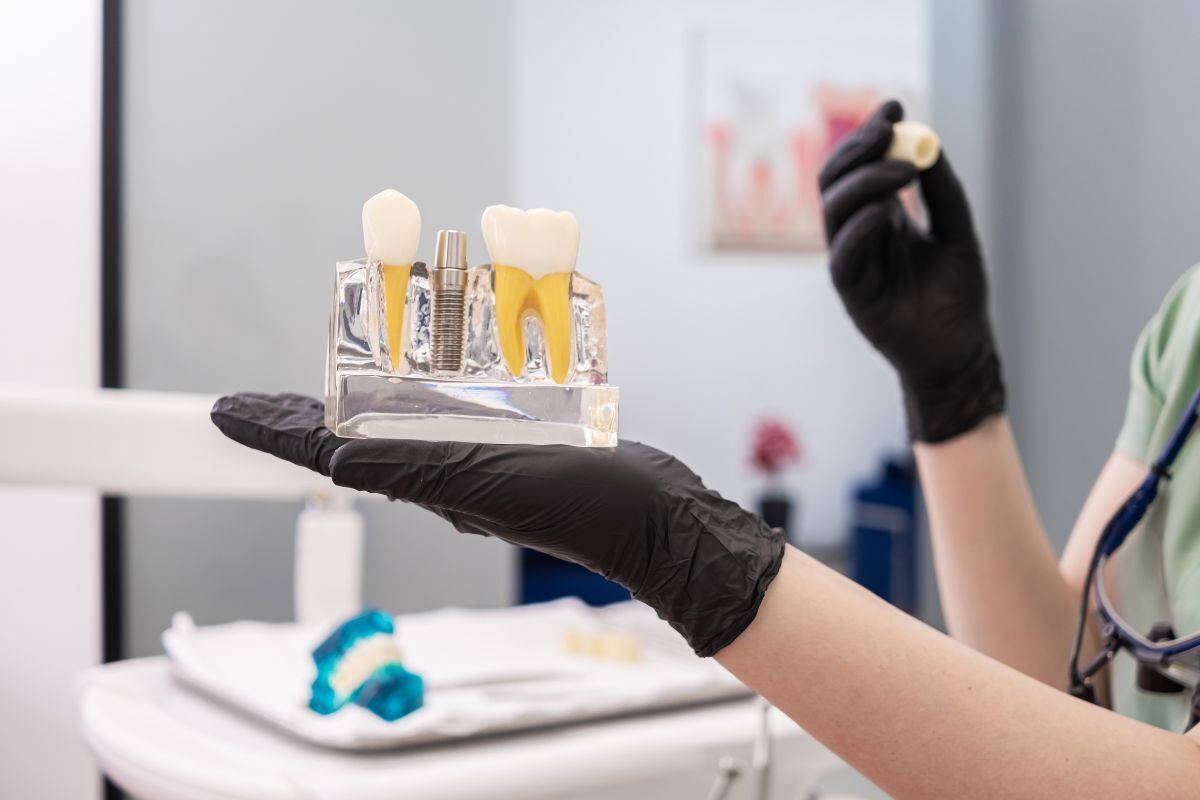
Dental implants involve more than replacing the visible portion of a missing tooth. The implant post is placed into the jawbone and eventually supports an artificial tooth or teeth.
BLVD Dentistry & Orthodontics describes its implant process in three broad stages: surgical placement, healing and osseointegration, and placement of the artificial tooth or teeth.
Because several stages are involved, your consultation should address the complete treatment plan rather than focusing only on the final appearance.
One useful question is, “What are my tooth replacement options, and why are you recommending an implant?”
If you want to explore local treatment information, dental implant treatment in Houston Heights is one relevant service option to review when comparing your next steps.
Ask Whether an Implant Is Appropriate for You
Not every missing tooth requires the same type of replacement.
Your dentist may evaluate the missing-tooth area, surrounding teeth, gums, jawbone, bite, and overall oral health before recommending a specific treatment.
Depending on the situation, treatment may involve a single implant, an implant-supported bridge, or another restoration. BLVD’s Richmond implant information, for example, describes single implants, implant-supported bridges, implant-supported dentures, and All-on-4 implants as different treatment possibilities.
The important point is that the appropriate option depends on the individual patient.
A helpful question is:
“What makes this option appropriate for my particular situation?”
You can also ask whether any existing dental problems should be treated before implant placement.
Ask About the Health of Your Gums and Jawbone
The condition of your oral tissues matters when planning implant treatment.
Your dentist may use dental X-rays or other imaging to examine the jawbone and the area where the implant would be placed. BLVD’s Cypress implant information specifically notes that X-rays may be used to assess jawbone structure and density when determining whether implants are appropriate.
If there is active gum disease, an infection, or insufficient bone in the treatment area, your dentist may recommend addressing that issue before moving forward.
That does not necessarily mean implants are ruled out. It means your treatment plan may need additional steps.
For patients researching local options, Oak Forest dental implants for missing teeth provide another service page to review when learning about implant treatment.
What Will Support the Implant?
Another important question concerns the final restoration.
For a single missing tooth, an implant may support a dental crown. When multiple teeth are missing, an implant-supported bridge or denture may be considered.
BLVD’s Oak Forest implant page explains that a single-tooth implant can receive a custom dental crown, while multiple missing teeth may be restored with dentures or bridges supported by implants.
That makes it useful to ask:
- What type of restoration will I receive?
- Will the replacement be removable or fixed?
- How will the restoration be designed to fit my bite?
- How will the final tooth match the surrounding teeth?
If a crown will be part of the treatment, you can also review dental crowns for damaged or weakened teeth as a related restorative service.
How Long Does the Implant Process Take?
Dental implant treatment generally involves a healing period rather than an immediate replacement.
After the implant post is placed, the jawbone needs time to heal and integrate with the implant. BLVD describes this process as osseointegration and notes that patients typically wait several months before moving to the next stage.
Your individual timeline may differ.
Instead of relying on a generic online estimate, ask your dentist:
- How many stages will my treatment involve?
- How long should I expect the healing period to be?
- When will the final restoration be placed?
- Will I need temporary tooth replacement during treatment?
These questions can help you plan realistically.
Ask Whether Other Dental Treatment Is Needed
Sometimes an implant consultation identifies other dental issues that need attention.
For example, a nearby tooth might need restorative treatment, or a tooth with significant internal damage might require root canal treatment.
BLVD’s Houston Heights service offerings include Endodontics, while both Heights and Oak Forest list crowns, implants, emergency dentistry, and other restorative services.
This broader perspective can be useful because successful tooth replacement should be considered alongside the health of the rest of your mouth.
What Should You Expect After Implant Placement?
Ask about recovery before treatment begins.
Your dentist can explain how to care for the surgical area, what foods may be appropriate during early healing, when normal activities can resume, and which symptoms should prompt you to contact the office.
You should also understand that the implant itself is not the end of the process. The final restoration and your ongoing oral hygiene are important parts of maintaining your dental health.
How Do You Care for an Implant Long Term?
Although an implant replaces a missing tooth, it does not eliminate the need for dental care.
Continue brushing, cleaning between your teeth, and attending routine dental appointments according to your provider’s recommendations.
Ask whether there are any special cleaning techniques for your particular restoration.
Good home care and professional monitoring allow your dental team to check the implant, restoration, gums, and surrounding teeth over time.
What Should You Look for in a Dental Implant Consultation?
When comparing treatment options, look for a consultation that gives you understandable information rather than simply presenting a procedure.
You should have an opportunity to discuss:
- Your missing tooth or teeth
- Your oral health
- Available treatment options
- The proposed implant process
- The final restoration
- Expected healing
- Follow-up care
- Questions or concerns about the procedure
A thoughtful consultation helps you make an informed decision based on your own dental needs.
The Bottom Line
Dental implants can be an option for replacing missing teeth, but the right treatment plan depends on your individual oral health and circumstances.
Before beginning treatment, ask about candidacy, jawbone and gum health, restoration options, treatment stages, healing, and long-term maintenance.
The goal of the consultation should be simple: you should understand what is being recommended, why it is being recommended, and what you can expect throughout the process.
FAQs
Q1: What happens during a dental implant consultation?
The dentist evaluates the missing-tooth area and surrounding oral structures, discusses your goals, and determines which treatment options may be appropriate.
Q2: Can one dental implant replace one missing tooth?
Yes. A single implant can support a custom dental crown to replace one missing tooth.
Q3: How long does dental implant treatment take?
The timeline varies. Healing and osseointegration can take several months before the final restoration is placed.
Q4: Will I need a crown after getting an implant?
A single-tooth implant commonly supports a dental crown, although the final restoration depends on your treatment plan.
Q5: Can other dental problems be treated before an implant?
Yes. Your dentist may recommend addressing problems such as gum disease, infection, decay, or other dental concerns before implant placement.
