
When you close your mouth, your upper and lower teeth normally come together in a coordinated way. With an open bite, some teeth do not meet as expected. Depending on where the opening occurs, this can affect the appearance of the smile, how the front or back teeth contact, and sometimes everyday activities such as biting into food.
An open bite is not something you can accurately diagnose by looking at your smile alone. An Austin orthodontist evaluates the relationship between your teeth and jaws, your bite, and other factors before determining whether orthodontic treatment is appropriate.
What Is an Open Bite?
An open bite is a type of malocclusion, meaning the upper and lower teeth do not come together normally when the jaws are closed.
A common form is an anterior open bite, in which the front teeth do not overlap or contact properly while the back teeth meet. A posterior open bite involves contact problems toward the back of the mouth and is less commonly discussed by patients.
The size and location of an open bite can vary. Because bite patterns differ from person to person, treatment should be based on an individual orthodontic evaluation rather than appearance alone.
What Can Cause an Open Bite?
Open bites can have more than one contributing factor. In children, certain oral habits can influence how the front teeth develop. Thumb or finger sucking and some other repetitive habits may affect tooth position when they persist during dental development.
Jaw growth patterns can also play a role. Genetics and the way the upper and lower jaws develop may influence how the teeth come together.
In other situations, tooth position itself may be a major factor. An orthodontist may need to determine whether the problem is primarily related to the alignment of individual teeth, the broader bite relationship, or a combination of factors.
This distinction matters because the underlying cause can influence the treatment approach.
What Does an Orthodontist Look At?
During an orthodontic evaluation, the goal is to understand more than whether the front teeth appear separated.
An orthodontist may evaluate:
- How the upper and lower teeth fit together
- The position and alignment of individual teeth
- Spacing, crowding, and tooth angulation
- Jaw relationships
- Facial growth and development, particularly in younger patients
- Whether oral habits may be contributing to the bite
- The condition of the teeth and gums before orthodontic treatment
- How the bite functions during normal jaw movement
Diagnostic records may be recommended when they are needed to understand tooth and jaw relationships more completely. The specific records used depend on the patient and the clinical question.
Why an Austin Orthodontist May Recommend Early Evaluation
Timing can matter, especially for children who are still growing. An orthodontist may recommend an early orthodontic evaluation so that developing bite or alignment concerns can be monitored.
An evaluation does not automatically mean a child needs orthodontic treatment immediately. In some cases, observation may be appropriate. In others, earlier intervention may be recommended based on the child’s development and the nature of the problem.
For adults, growth is no longer a treatment factor, so the evaluation focuses on the existing tooth and jaw relationships, oral health, treatment goals, and available options.
Can an Open Bite Be Treated With Orthodontics?
Some open bites can be treated with orthodontic methods, but the appropriate approach depends on the cause and severity of the bite.
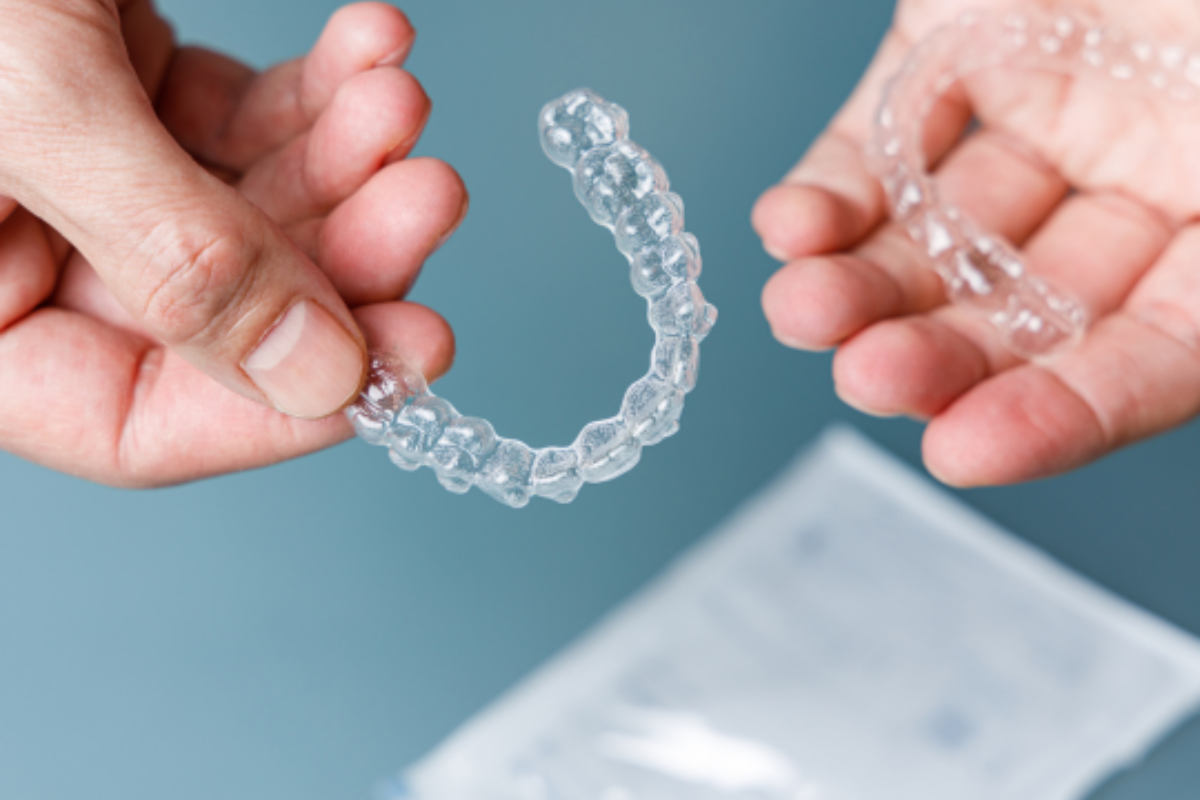
Treatment may involve Braces & Invisalign® in appropriate cases. For growing children, an orthodontist may also consider appliances or other approaches designed to address developing tooth or jaw relationships.
More complex cases can require a broader treatment plan. If the bite is significantly influenced by skeletal jaw relationships, orthodontic treatment alone may not always be sufficient. An orthodontist can explain what is realistic based on the clinical evaluation.
That is why it is better to ask, “What is causing my open bite?” before assuming that a particular treatment will be the right solution.
What Happens During an Orthodontic Consultation?
A consultation gives the orthodontic team an opportunity to discuss your concerns and goals. You may be asked about your dental history, previous orthodontic treatment, and oral habits. The orthodontist can assess your teeth and bite and determine whether additional diagnostic information is needed.
Useful questions include:
- What type of open bite do I have?
- What may be contributing to it?
- Does it need treatment now?
- What treatment options may be appropriate?
- Would treatment involve Braces & Invisalign®, or another approach?
- What factors could affect the treatment plan?
- What should I expect from follow-up appointments?
A thorough conversation helps you understand the reasoning behind the recommendation instead of focusing only on the appearance of the teeth.
Open Bite Treatment Is About More Than Appearance
Patients often notice an open bite because of how their smile looks, but orthodontic evaluation is not limited to cosmetics. The way teeth contact can be relevant to function, and an orthodontist considers the overall bite when developing a treatment plan.
At the same time, not every difference in tooth alignment requires treatment. An orthodontist needs to consider the patient’s oral health, goals, age, bite, and the clinical significance of the problem.
The objective is an individualized plan rather than treatment simply because teeth do not look perfectly aligned.
Orthodontic Care in Austin
BLVD Dentistry & Orthodontics provides orthodontic care in Austin through its 5th Street and Riverside locations. The practice offers orthodontic treatment options including Braces & Invisalign®, along with early orthodontic evaluations.
Because the 5th Street and Riverside offices serve the Austin market, patients can choose the location that best fits their needs and schedule. The appropriate treatment, however, should always be determined through an individual orthodontic evaluation.
When Should You Ask About an Open Bite?
Consider discussing your bite with an orthodontic professional if you notice that some teeth do not meet when you close your mouth, your child has a persistent oral habit that may affect tooth position, or you have concerns about how your teeth come together.
The first step is understanding what is happening and whether it has clinical significance.
An Austin orthodontist can assess the relationship among your teeth, bite, and jaw development and explain the options that may be appropriate for your situation. The result should be a treatment discussion based on your individual anatomy and goals—not a generic recommendation.
Have questions about your bite or tooth alignment? Book an Orthodontic Consultation with BLVD Dentistry & Orthodontics to learn more about your options.
FAQs
Q1: What is an open bite?
An open bite occurs when certain upper and lower teeth do not meet normally when the mouth is closed. It may affect the front or back teeth.
Q2: What causes an open bite?
Possible contributing factors include oral habits, tooth position, jaw development, and genetics. An orthodontic evaluation is needed to determine the factors involved in an individual case.
Q3: Can Braces & Invisalign® treat an open bite?
Some open bites may be treated with Braces & Invisalign®, but the appropriate approach depends on factors such as the cause, severity, tooth position, jaw relationship, and individual treatment goals.
Q4: Does an open bite always require treatment?
Not necessarily. An orthodontist considers the patient’s bite, oral health, development, function, and goals before recommending treatment.
Q5: Does BLVD Dentistry & Orthodontics offer orthodontic care in Austin?
Yes. BLVD Dentistry & Orthodontics provides orthodontic care through its Austin locations, including 5th Street and Riverside.
