A hard hit to the mouth can do more than chip a tooth. Many folks notice something feels “off” weeks after a dental injury. Their teeth stop fitting together the same way. Their jaw shifts when chewing. One side bites down first. In some cases, teeth slowly move out of alignment after the trauma heals.
Invisalign may help correct certain bite problems caused by dental injuries. Clear aligners can gently move teeth back into proper position, improve bite balance, and reduce uneven pressure across the jaw. The key is understanding what changed after the injury and treating it before the problem gets worse.
If your bite feels different after an accident, sports injury, or facial trauma in Fort Worth, BLVD Dentistry & Orthodontics is here for you. We provide Invisalign® clear aligners to safely realign your teeth, restore your comfort, and help you get your smile back on track.
Dental Injuries Can Change the Way Your Bite Fits Together
A lot of people assume dental trauma only matters if a tooth breaks or falls out. That’s not always the case. Even a moderate impact can shift teeth slightly out of place. Sometimes the movement happens immediately. Other times, it shows up months later as the teeth settle into a new position.
Changes in bite can happen after:
- Car accidents
- Sports injuries
- Falls
- Work injuries
- Facial impact
- Cracked or loosened teeth
- Jaw trauma
One small shift in your bite can throw off the way your upper and lower teeth come together. Once that balance changes, the rest of the mouth starts compensating.
That’s when patients begin saying things like:
- “My bite feels uneven now.”
- “My teeth don’t line up anymore.”
- “One side hits first when I chew.”
- “My jaw pops after the injury.”
- “My front teeth shifted after getting hit.”
Those are common signs of bite misalignment after dental trauma.
What Happens When Teeth Shift After an Injury?
Your teeth work as a system. When one tooth moves, nearby teeth respond to the pressure.
After a dental injury, several things can happen:
Teeth Can Drift Out of Position
A loosened tooth may slowly move while healing. Missing teeth can also allow surrounding teeth to shift.
Bite Pressure Becomes Uneven
If one area of the bite takes too much force, it can strain the jaw joints and wear down enamel.
Jaw Alignment Changes
Some injuries affect the way the jaw closes. Patients often describe it as their bite feeling “crooked” or “tilted.”
Teeth Start Wearing Improperly
Uneven contact can lead to grinding, tooth sensitivity, fractures, or TMJ discomfort over time.
This is why post-traumatic bite problems should never get ignored, even if the pain fades away.
Can Invisalign Correct Bite Problems After Trauma?
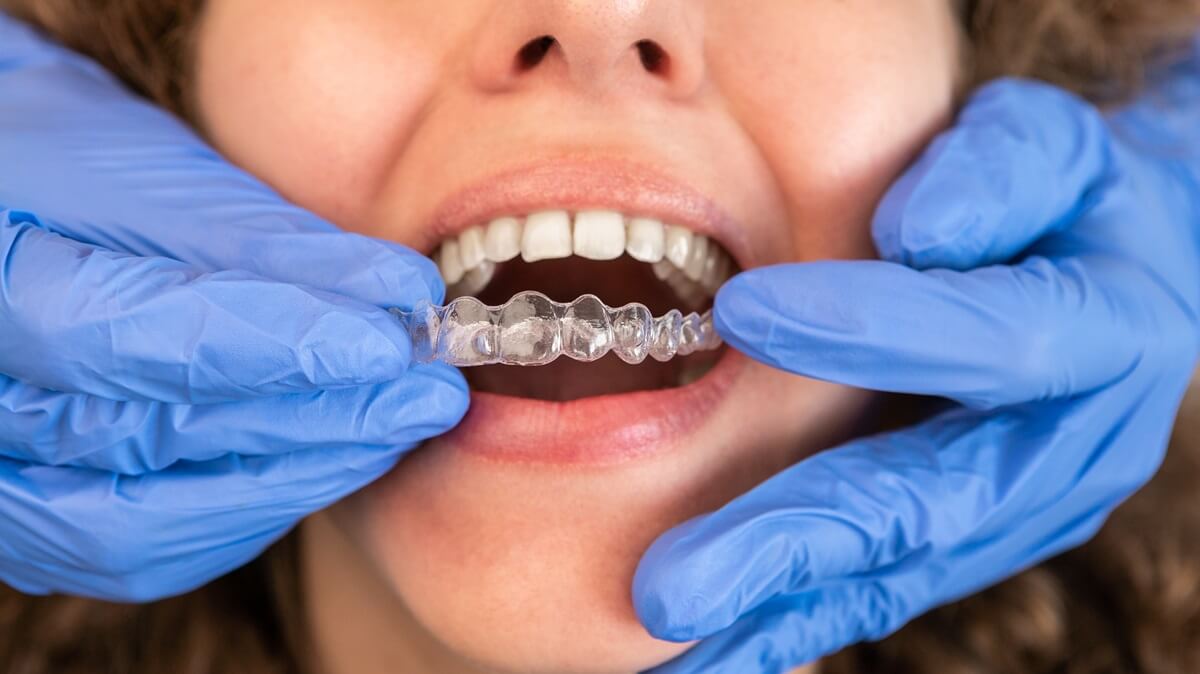
Yes. Invisalign® clear aligners can help move teeth back into healthier alignment after certain dental injuries. The aligners apply controlled pressure to reposition teeth gradually without brackets or wires.
Depending on the situation, Invisalign may help correct:
- Mild to moderate bite shifts
- Crowded teeth after trauma
- Gaps caused by tooth movement
- Uneven bite pressure
- Minor overbite or crossbite changes
- Front teeth that shifted after impact
- Teeth that no longer fit together properly
Clear aligners work especially well when the teeth remain healthy and stable after the injury.
That said, not every trauma case qualifies for Invisalign alone. Some patients may need restorative dental work, periodontal treatment, or jaw evaluation before starting orthodontic correction.
Signs You May Need Invisalign After a Dental Injury
Some bite problems show up right away. Others creep in slowly.
Here are a few signs worth paying attention to:
Your Bite Suddenly Feels Different
This is one of the biggest red flags after trauma.
If your teeth no longer close naturally or evenly, something likely shifted.
You’re Chewing Mostly on One Side
Many people subconsciously avoid pressure on uncomfortable teeth. Over time, this can create more imbalance.
Teeth Look Crooked After the Injury
Even slight movement becomes noticeable in the front teeth.
Jaw Pain or Clicking Started After the Accident
Bite changes can place stress on the jaw joints and muscles.
One Tooth Hits Before the Others
This often points to bite interference caused by tooth movement.
You Notice Grinding or Clenching
An uneven bite can trigger nighttime grinding and extra enamel wear.
If any of these symptoms started after facial trauma or dental injury, an orthodontic evaluation may help determine whether Invisalign can correct the issue.
Invisalign vs. Braces for Trauma-Related Bite Problems
After an injury, patients in Fort Worth often look at whether braces or Invisalign will work best to restore their smile.
The answer depends on the severity of the bite change.
Invisalign May Be a Good Option If:
- The tooth movement is mild to moderate
- Your teeth and gums are healthy
- You want a less noticeable treatment
- The jaw structure remains stable
- The injury did not require major reconstruction
Traditional Braces May Work Better If:
- Teeth rotated significantly
- Jaw alignment changed severely
- Multiple teeth shifted dramatically
- Complex bite correction is needed
For many adults, Invisalign offers a more comfortable and discreet way to correct bite issues without the look of metal braces.
That matters to working professionals, parents, and folks who spend their day face-to-face with people around Fort Worth.
Why You Shouldn’t Wait Too Long
A shifted bite rarely fixes itself. In fact, untreated bite problems often get worse with time. Teeth continue moving. Jaw strain increases. Enamel wears down unevenly.
Patients who delay treatment sometimes end up dealing with:
- Chronic jaw pain
- Tooth fractures
- Gum recession
- Headaches
- Grinding damage
- TMJ symptoms
- More extensive orthodontic treatment later
The sooner the bite gets evaluated, the easier it usually is to correct.
What an Invisalign Evaluation Looks Like
When evaluating bite problems after dental trauma, we first look at what changed structurally.
That includes:
- Tooth position
- Jaw movement
- Bite contact
- Bone support
- Existing restorations
- Signs of grinding or stress
- Previous injury history
Digital scans help map how the teeth fit together now versus how they should align naturally.
From there, a treatment plan can determine whether Invisalign can safely and predictably move the teeth into a healthier bite position.
Not every patient needs aggressive orthodontic treatment. Sometimes small adjustments make a big difference in comfort and function.
Schedule a Bite Evaluation at BLVD Dentistry & Orthodontics in Fort Worth
If your teeth shifted after an injury or your bite no longer feels right, schedule your consultation before the problem turns into long-term damage.
At BLVD Dentistry & Orthodontics, we evaluate bite alignment issues caused by dental injuries, tooth movement, and jaw imbalance. Whether you’re dealing with uneven pressure, shifting teeth, or post-trauma bite changes, we can help determine whether Invisalign is the right solution for your smile.