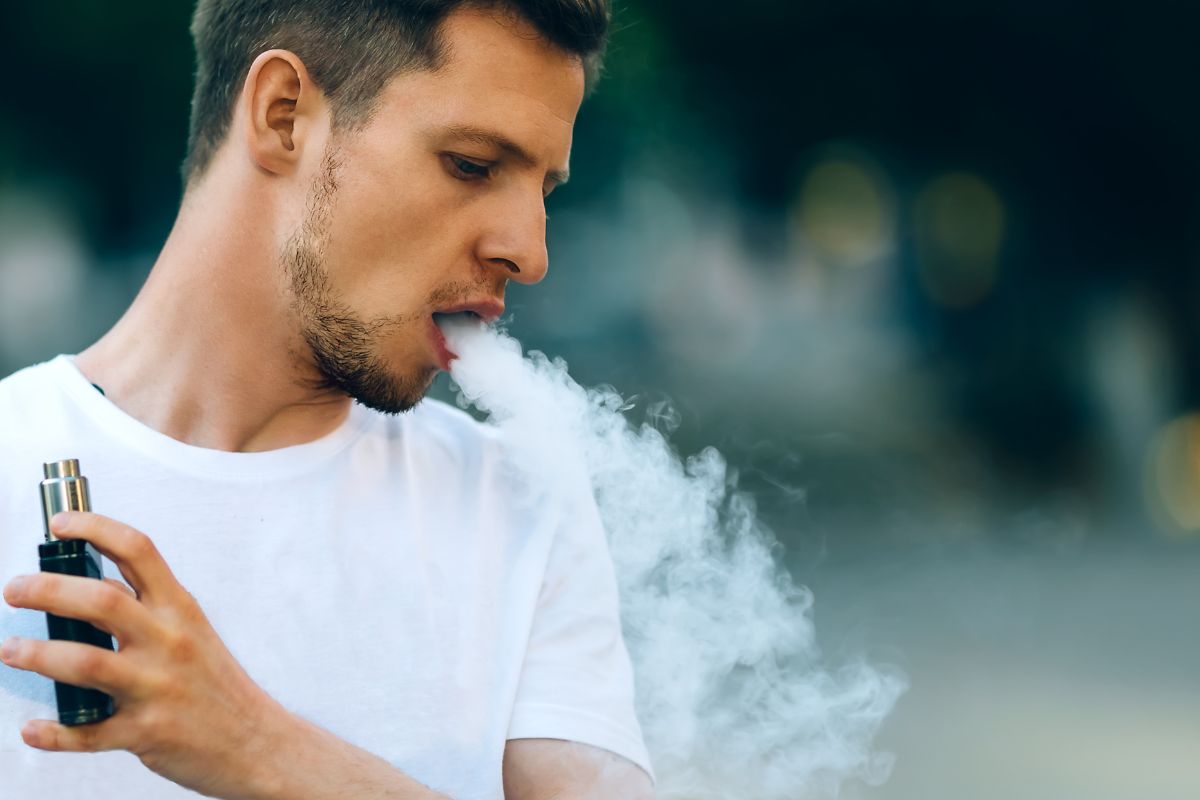
Even though vaping is often seen as a safer alternative to smoking, it can still cause real damage to your mouth. The chemicals and nicotine found in e-cigarettes affect your teeth, gums, and the balance of healthy bacteria in your mouth, which can lead to decay, infection, and persistent bad breath over time.
If you’ve started noticing dryness, irritation, or bleeding gums since you began vaping, it’s not just a coincidence. These are early signs that your mouth is reacting to the ingredients and heat from the vapor.
What Happens in Your Mouth When You Vape
When you inhale vapor, the temperature and chemicals interact with your oral tissues. Nicotine restricts blood flow, which means your gums get less oxygen and nutrients. The artificial flavorings and propylene glycol in vape liquids dry out the mouth and affect your natural defense against bacteria and acids by reducing saliva.
Without enough saliva, bacteria can stick to your teeth and gums more easily, leading to plaque buildup and inflammation. Over time, this can set the stage for cavities and gum disease, even in patients who brush and floss regularly.
Common Oral Health Issues Linked to Vaping
- Dry Mouth – Vape liquids often contain propylene glycol, which dehydrates soft tissues. A dry mouth can quickly lead to bad breath, plaque buildup, and a higher risk of decay.
- Gum Inflammation – Nicotine narrows the blood vessels in your gums, making them more prone to irritation and slower to heal after brushing or dental cleanings.
- Enamel Damage – Some vape flavorings are acidic, which can slowly wear away your enamel, the protective layer that keeps your teeth strong.
- Tooth Discoloration – Though not as severe as cigarette stains, nicotine from vaping can still cause yellowing over time.
- Bad Breath – The combination of dry mouth, bacterial growth, and lingering vapor residue often leads to chronic bad breath.
- Slower Healing – After dental procedures like cleanings, fillings, or extractions, vapers may notice it takes longer for tissues to recover.
Even if your teeth look fine on the surface, vaping can quietly affect the tissues and blood vessels beneath the gum line — areas only your dentist can fully assess.
When to See the Dentist
You should schedule a dental visit if you notice any of the following while vaping:
- Gums that bleed or swell easily when brushing or flossing
- A constant dry or sticky feeling in your mouth
- Persistent bad breath, even after cleaning your teeth
- Tooth sensitivity or discomfort when eating
- White patches, sores, or irritation inside your cheeks or on your tongue
These symptoms often point to early gum disease, tissue irritation, or enamel wear — all of which are easier to treat when caught early.
How to Protect Your Smile if You Vape
If quitting isn’t in your plans right now, there are still steps you can take to reduce the damage:
- Stay hydrated and rinse your mouth after vaping.
- Use fluoride toothpaste to strengthen enamel.
- Brush gently twice a day and floss daily.
- Chew sugar-free gum to increase saliva flow.
- Schedule regular dental cleanings to monitor changes early.
Your dentist can also apply fluoride varnishes or recommend special rinses that help counteract dry mouth and protect the enamel from acid erosion.
As your neighborhood dentist, BLVD Dentistry & Orthodontics in Cypress encourages you to stay informed, keep your checkups consistent, and let our team help you protect your smile, whatever your lifestyle may be.
Schedule Your Next Dental Appointment Today
If you’ve noticed any changes since you started vaping, don’t wait for them to worsen. Schedule a visit today, and let’s make sure your teeth, gums, and mouth stay as healthy as possible for years to come.
FAQs
1. Is vaping really bad for your teeth and gums?
Yes. While vaping doesn’t produce tar like traditional cigarettes, it still contains nicotine and other chemicals that dry out your mouth and reduce blood flow to the gums. This combination increases your risk of gum disease, tooth decay, and bad breath over time.
2. Can vaping cause cavities or tooth decay?
It can. Many vape liquids contain sweet flavorings and acids that cling to your teeth, feeding bacteria and weakening enamel. Add in reduced saliva from vaping, and cavities can form faster, even if you brush and floss regularly.
3. Why does my mouth feel dry or irritated after vaping?
The main ingredient in most vape juices, propylene glycol, draws moisture out of your oral tissues. This dryness not only feels uncomfortable but also makes it easier for bacteria to thrive, which can lead to gum inflammation and bad breath.
4. How can I protect my mouth if I choose to vape?
If you vape, make sure to drink plenty of water, use fluoride toothpaste, and maintain regular dental cleanings. Rinsing your mouth after vaping can also help reduce residue. Most importantly, schedule consistent visits to your dentist, so they can monitor your oral health and address any early signs of damage before they worsen.
