Dental implants have become a popular and effective solution for tooth replacement, thanks to their ability to mimic the natural function and appearance of teeth. Whether you’ve lost a single tooth or multiple teeth, dental implants offer flexibility and customization to meet various needs. So, how many missing teeth can be replaced with dental implants? Let’s explore how dental implants can address different scenarios of tooth loss.
Replacing a Single Missing Tooth
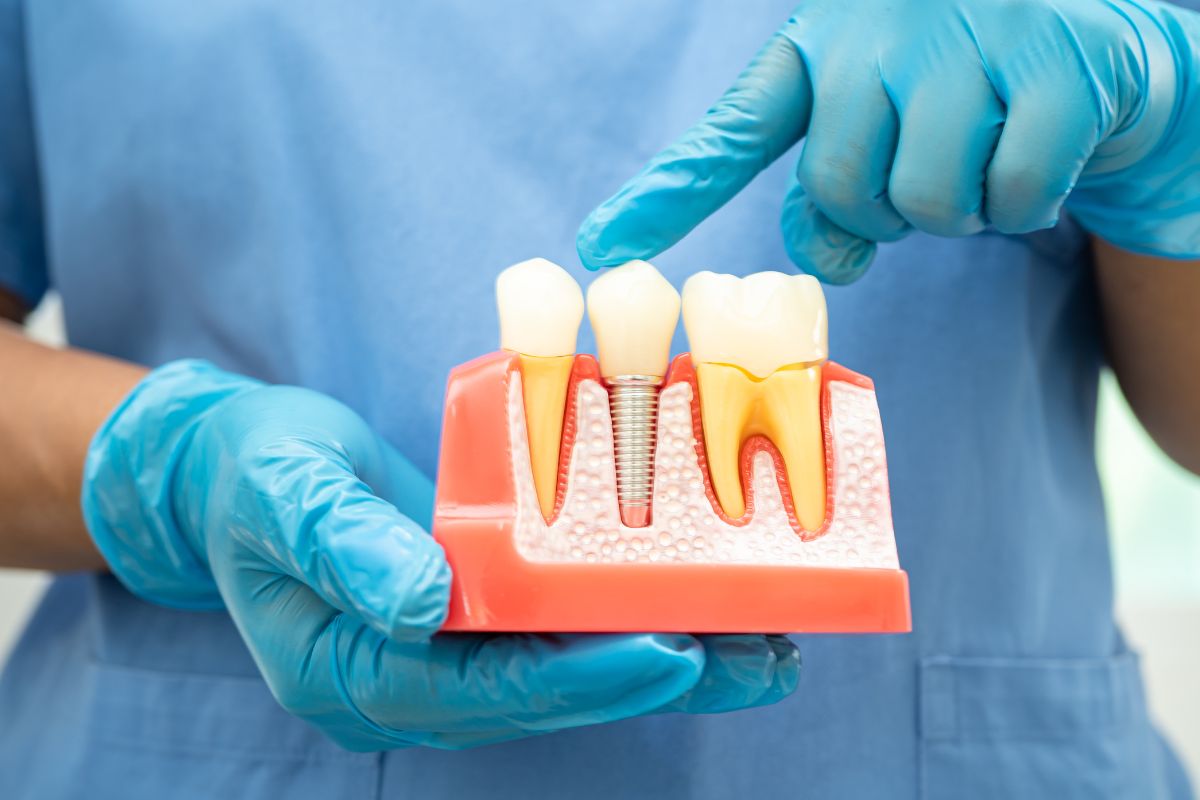
For those missing just one tooth, a single dental implant is often the ideal solution. The process involves placing a titanium post into the jawbone to act as the tooth root. After the post integrates with the bone through a process called osseointegration, a custom-made crown is attached to the post. This single-tooth implant not only restores the appearance and function of the missing tooth but also preserves the health of the surrounding teeth and jawbone.
Advantages of Single Tooth Implants:
- Preserves Adjacent Teeth: Unlike traditional bridges, a single implant doesn’t require altering adjacent teeth.
- Prevents Bone Loss: The implant stimulates the jawbone, helping to maintain its structure.
- Natural Look and Feel: The implant and crown blend seamlessly with your natural teeth, offering a comfortable and aesthetically pleasing result.
Replacing Multiple Missing Teeth
When several teeth are missing, dental implants can support a fixed bridge or partial denture. For instance, if three or more teeth are missing in a row, two implants can be placed at either end of the gap, with a bridge filling the space between them. This approach provides a stable and durable solution for multiple tooth replacements.
Benefits of Multiple Teeth Implants:
- Enhanced Stability: Implant-supported bridges are more stable and secure compared to removable dentures.
- Improved Oral Health: Implants help prevent bone loss and maintain oral health by preserving jawbone density.
- Comfort and Function: Unlike removable options, implant-supported bridges do not shift or slip, offering greater comfort and functionality.
Replacing a Full Arch of Teeth
For patients missing all or most of their teeth in an upper or lower arch, dental implants can provide a complete restoration. This can be achieved through traditional implant techniques or the All-On-4 method.
Traditional full-arch implants
In this approach, multiple implants—usually 4 to 8—are placed along the arch to support a full set of prosthetic teeth. This method offers a stable and durable solution for those who have lost an entire arch of teeth.
All-On-4 Technique
The All-On-4 technique involves placing four strategically angled implants in the jawbone to support a full arch of prosthetic teeth. This technique is advantageous for patients with limited bone density, as it often eliminates the need for bone grafting. Additionally, patients can receive a temporary set of teeth on the same day as the implant placement.
Advantages of Full Arch Implants:
- Comprehensive Restoration: Provides a complete solution for extensive tooth loss.
- Immediate Results: Techniques like All-On-4 can offer immediate functionality, allowing patients to leave with a full set of teeth the same day.
- Long-Term Durability: Full arch implants offer a robust and lasting solution with proper care and maintenance.
Conclusion
Dental implants are a versatile and effective solution for replacing missing teeth, whether it’s a single tooth, multiple teeth, or a full arch. The ability to customize the treatment based on individual needs makes dental implants a preferred choice for many patients. By offering a natural appearance, preserving jawbone health, and ensuring long-term functionality, dental implants can help restore your smile and confidence, regardless of how many teeth you’ve lost. If you’re considering dental implants in Richmond, consult with a qualified dentist to determine the best approach for your unique situation and begin your journey toward a revitalized smile.