Losing a tooth can be a frustrating experience. Whether it happens because of decay, an injury, gum disease, or another dental concern, a missing tooth can affect more than just your smile. Many patients notice changes in the way they chew, speak, or feel about their appearance after tooth loss.
While both treatments can help fill gaps in your smile, they work in different ways and provide different benefits. Understanding the differences between these options can help you make a more informed decision about your oral health.
At BLVD Dentistry & Orthodontics, we believe every patient deserves personalized guidance when choosing a tooth replacement solution. Our team takes the time to understand your needs, explain your options, and help you find the right treatment for your smile.
Why Should Missing Teeth Be Replaced?
A missing tooth can impact your oral health in several ways. Many people think of tooth replacement as only a cosmetic concern, but replacing missing teeth also helps support proper function and long-term dental health.
When a tooth is lost, the surrounding teeth may begin to shift into the empty space. Over time, this can affect your bite and make it more difficult to maintain proper alignment.
Some common problems associated with missing teeth include:
- Difficulty chewing certain foods
- Changes in speech or pronunciation
- Increased pressure on remaining teeth
- Shifting or loosening of nearby teeth
- Loss of confidence when smiling
- Jawbone deterioration in the missing tooth area
Replacing a missing tooth can help restore your smile while protecting the health of your remaining teeth.
What Are Dental Implants?
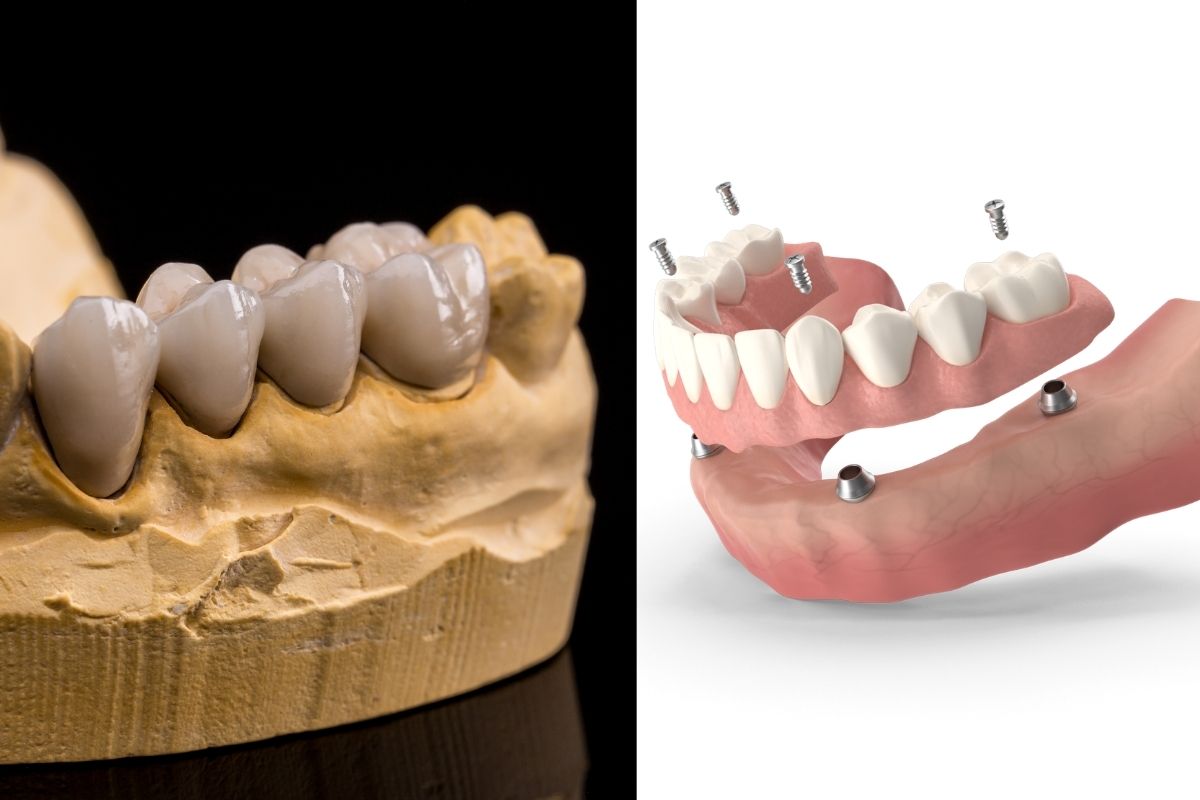
Dental implants are a modern tooth replacement option designed to replace both the visible tooth and the root structure underneath. Unlike traditional restorations that only replace the crown portion of a tooth, implants are placed directly into the jawbone to provide stable support.
Many patients choose dental implants in Cypress because they offer a natural-looking and long-lasting solution for missing teeth.
A dental implant consists of three main parts:
Implant Post
The implant post is a small titanium structure placed into the jawbone. It acts like a natural tooth root and provides a strong foundation for the replacement tooth.
Abutment
The abutment connects the implant post to the dental crown. It helps secure the final restoration in place.
Dental Crown
The dental crown is the visible portion of the replacement tooth. It is custom-designed to match the size, shape, and color of your natural teeth.
What Are Dental Bridges?
A dental bridge is another common option for replacing missing teeth. Instead of being supported by an implant placed into the jawbone, a bridge uses neighboring teeth for support.
A traditional dental bridge usually includes:
- A replacement tooth that fills the missing space
- Crowns placed over the supporting teeth
- A restoration designed to blend with your natural smile
Dental bridges can be an effective choice for patients who want to replace missing teeth without undergoing implant placement. However, because bridges rely on surrounding teeth for support, they may not provide the same benefits as implants in certain situations.
Dental Implants vs Bridges: Understanding the Differences
Choosing between dental implants and bridges depends on several factors, including your oral health, personal goals, and long-term expectations.
Let’s look at some of the key differences between these two options.
1. How They Are Supported
One of the biggest differences between implants and bridges is how they are supported.
Dental implants are anchored directly into the jawbone. This creates a stable foundation that functions similarly to a natural tooth root.
Dental bridges rely on nearby teeth for support. The neighboring teeth are prepared and covered with crowns to hold the replacement tooth in place.
Because implants replace the root structure, they can provide a more complete tooth replacement solution.
2. Effect on Surrounding Teeth
Dental implants are placed independently and do not require support from neighboring teeth. This means the surrounding natural teeth can remain unchanged.
With a bridge, the teeth next to the missing tooth typically need to be reshaped to support the restoration.
For patients who want to preserve their natural teeth, dental implants may be an appealing option.
3. Jawbone Preservation
When a tooth is removed, the jawbone in that area may gradually weaken because it no longer receives stimulation from the tooth root.
Dental implants help provide stimulation to the jawbone, which may help maintain bone structure over time.
Since bridges do not replace the tooth root, they do not provide the same type of jawbone support.
4. Appearance and Comfort
Both dental implants and bridges can improve the appearance of your smile. However, many patients find that implants feel more like natural teeth because they are securely anchored in place.
Implants can help patients feel more comfortable when:
- Eating their favorite foods
- Speaking clearly
- Smiling confidently
- Maintaining daily routines
A properly designed bridge can also provide excellent results, especially when it is the right choice for your specific needs.
Benefits of Dental Implants
Dental implants have become a popular choice for replacing missing teeth because of their many advantages.
Some benefits include:
Natural Appearance
Implants are customized to match your existing teeth, creating a restoration that looks natural and blends with your smile.
Improved Stability
Because implants are secured in the jawbone, they provide strong support while eating and speaking.
Long-Term Solution
With proper care and regular dental visits, implants can provide a durable solution for missing teeth.
Helps Protect Jawbone Health
By replacing the tooth root, implants help maintain stimulation in the jawbone area.
No Support From Neighboring Teeth
Implants do not require altering nearby healthy teeth for support.
Benefits of Dental Bridges
Although dental implants offer many advantages, bridges remain a reliable option for many patients.
Some benefits of dental bridges include:
- Can replace one or more missing teeth
- Helps restore chewing function
- Improves smile appearance
- Often requires fewer treatment steps
- May be a suitable option for patients who are not candidates for implants
The right choice depends on your unique dental situation.
Are You a Candidate for Dental Implants?
Many patients who have missing teeth may qualify for dental implants, but an evaluation is needed to determine the best approach.
A dental professional will typically consider:
- Your gum health
- Available jawbone support
- Overall oral health
- Number of missing teeth
- Your dental goals
Some patients may need additional treatments before receiving implants, such as gum disease treatment or bone grafting, to create the best foundation for the restoration.
When Might a Dental Bridge Be a Better Option?
A dental bridge may be recommended in certain situations, including:
- When nearby teeth already need crowns
- When a patient prefers a non-surgical option
- When jawbone support is limited
- When a quicker restoration option is preferred
A consultation with your dentist can help determine whether a bridge or implant is the better choice for your smile.
How to Care for Dental Implants or Bridges
Regardless of which restoration you choose, maintaining good oral hygiene is important for long-term success.
Helpful care tips include:
- Brush your teeth twice daily
- Floss regularly
- Visit your dentist for routine checkups
- Avoid habits that can damage your teeth
- Address any discomfort or changes early
Taking care of your restoration helps protect your investment and supports your overall oral health.
Frequently Asked Questions
Are dental implants more durable than bridges?
Dental implants are designed to be a long-lasting tooth replacement option because they replace the tooth root and provide stable support. However, the best choice depends on your oral health and individual needs.
Are dental implants painful?
Most patients report that the procedure is more comfortable than they expected. Your dental team will use techniques to help ensure a smooth and comfortable experience.
How long does a dental implant last?
With proper care, regular dental visits, and good oral hygiene, dental implants can provide a long-term solution for replacing missing teeth.
Which is cheaper, dental implants or bridges?
The cost of treatment varies depending on your specific situation, the number of teeth being replaced, and other factors. A dental consultation can help determine which option is best for your needs.
Can I get dental implants if I have bone loss?
Some patients with bone loss may still qualify for implants after additional procedures, such as bone grafting, to improve jawbone support.
Restore Your Smile With the Right Tooth Replacement Option
Choosing between dental implants and bridges is a personal decision, and having the right information can make the process easier. Both options can help restore missing teeth, improve function, and support a healthier smile.
If you are considering tooth replacement options, the team at BLVD Dentistry & Orthodontics can help you understand which treatment may be right for you.
Schedule a consultation to explore your options and take the next step toward restoring your confident smile.