If you’ve ever come in for a routine dental visit and suddenly heard the words “You may need a deep cleaning,” you’re not alone. A lot of patients around Cypress, from Bridgeland families to busy professionals heading down 290, ask the same question:
“Isn’t a regular cleaning enough?”
A regular dental cleaning helps maintain a healthy mouth. A deep cleaning treats gum disease that has already started affecting the gums and bone around your teeth. They serve two very different purposes, even though many people assume they’re the same thing.
At BLVD Dentistry & Orthodontics Cypress dental office, we spend a lot of time helping patients understand the difference before small gum problems turn into bigger dental issues. The earlier you catch periodontal disease, the easier it usually is to treat.
What Is a Regular Dental Cleaning?
A regular dental cleaning removes plaque, tartar buildup, and surface stains from the teeth above the gumline. This is the cleaning most people get every six months.
During a routine cleaning, we:
- Remove hardened tartar from the tooth surface
- Polish away minor stains from coffee, tea, or soda
- Check for cavities and gum inflammation
- Review your brushing and flossing habits
- Help prevent gingivitis and tooth decay
For many families around here in Cypress, regular cleanings are part of staying ahead of dental problems before they become expensive or painful.
If your gums are healthy and there’s no bone loss or infection below the gums, a standard cleaning is usually all you need.
What Is a Deep Cleaning?
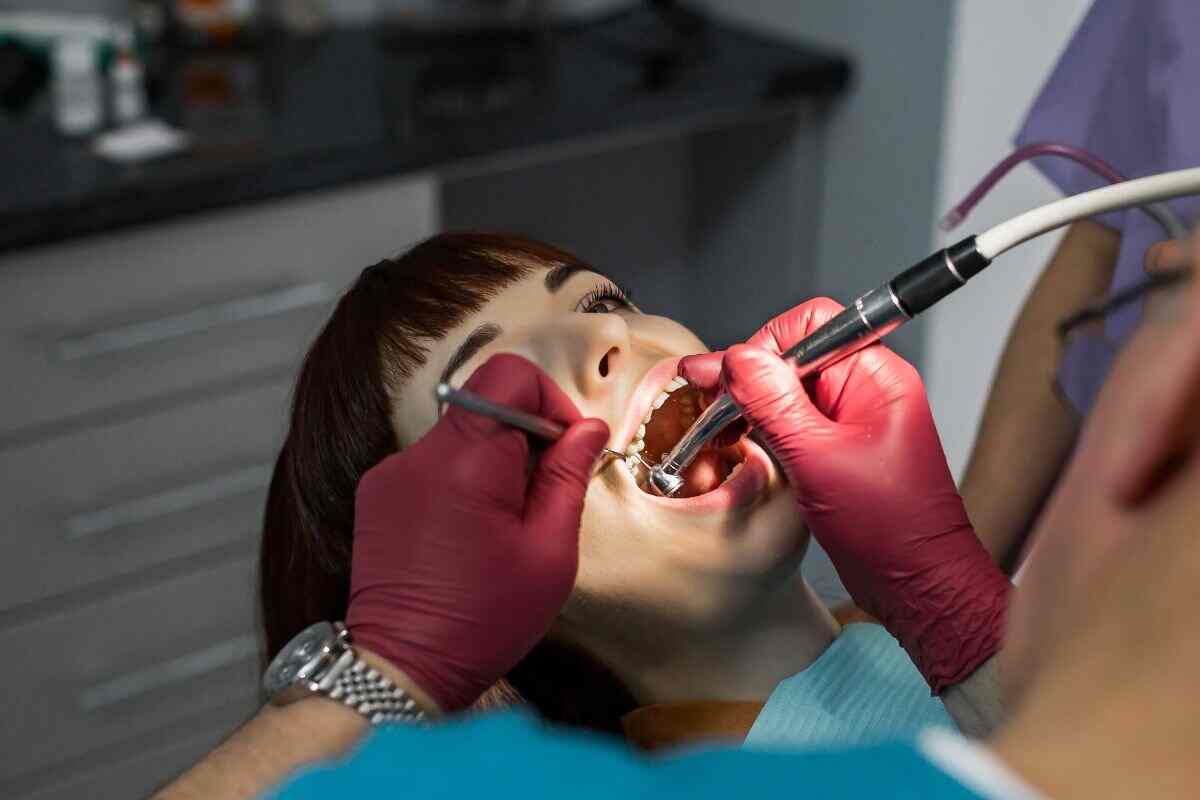
A deep dental cleaning, also called scaling and root planing, treats early to moderate gum disease by cleaning below the gumline where bacteria collect.
When plaque and tartar stay trapped under the gums, they create pockets of infection around the teeth. Over time, that infection can damage the gums, bone, and supporting structures holding your teeth in place.
During scaling and root planing, we:
- Remove bacteria and tartar below the gumline
- Clean periodontal pockets around the teeth
- Smooth tooth roots to help gums reattach
- Reduce inflammation and bleeding gums
- Help stop gum disease from progressing
Many patients first notice they may need a deep cleaning when they experience:
- Bleeding gums while brushing
- Chronic bad breath
- Gum recession
- Tender or swollen gums
- Loose teeth
- Heavy tartar buildup
- Sensitivity near the gumline
These are not symptoms you want to ignore.
The Biggest Difference Between Deep Cleaning and Regular Cleaning
| A regular cleaning prevents gum disease. | A deep cleaning treats gum disease. |
| Routine cleanings focus on maintaining healthy teeth and gums. | Deep cleanings focus on stopping infection below the gums before it leads to tooth loss or bone damage. |
| A regular cleaning cleans above the gumline. | A deep cleaning goes underneath the gums where bacteria hide. |
Why Some Cypress Patients Need Deep Cleanings More Often
We see several lifestyle habits that increase the risk of gum disease. Patients who may need periodontal treatment more often include:
- Smokers and vapers
- Patients with diabetes
- Adults with dry mouth
- People who skip routine cleanings
- Patients with crowded teeth
- Invisalign or braces patients with difficult-to-clean areas
- Coffee drinkers with heavy tartar buildup
A lot of people are surprised to learn gum disease can progress quietly for years without major pain. By the time teeth start feeling loose, the infection has often been there a long time. That’s why routine dental exams matter.
Does a Deep Cleaning Hurt?
Most people tolerate deep cleanings very well. We numb the area before treatment so you stay comfortable throughout the appointment. Some patients feel mild soreness afterward, especially if the gums were inflamed beforehand, but that usually improves within a few days.
In fact, many patients tell us their mouth feels noticeably cleaner and healthier once the infection and buildup are removed.
If your gums bleed easily now, treatment often helps reduce that inflammation significantly.
What Happens If You Avoid a Deep Cleaning?
Untreated periodontal disease doesn’t usually stay mild. Without treatment, gum infection can lead to:
- Gum recession
- Bone loss
- Loose teeth
- Chronic bad breath
- Pain while chewing
- Tooth loss
- More expensive restorative dentistry later
We’ve seen patients who delayed treatment because their teeth “didn’t hurt yet.” Unfortunately, gum disease often advances silently.
That’s why we always recommend treating the problem early instead of waiting for symptoms to worsen.
How Long Does a Deep Cleaning Take?
Most deep cleanings happen over two visits, depending on how much buildup and inflammation are present. We typically divide the mouth into sections to keep you comfortable during treatment.
Afterward, we may recommend:
- Antibacterial rinses
- Periodontal maintenance cleanings
- Improved flossing techniques
- Electric toothbrush use
- More frequent hygiene visits
If you are looking for the right treatment, our team at our Cypress office location is here to help you stay comfortable every step of the way.
Can Regular Cleanings Reverse Gum Disease?
If gum disease is still in the early gingivitis stage, sometimes yes.
At that point, inflammation may improve with:
- Better brushing
- Daily flossing
- Routine dental cleanings
- Improved home care
But once deeper periodontal pockets and bone loss develop, regular cleanings alone usually cannot fix the problem.
That’s when scaling and root planing becomes necessary.
How to Know Which Cleaning You Need
The only reliable way to know is through a dental exam and periodontal evaluation.
At BLVD Dentistry & Orthodontics, we measure gum pocket depths, check for inflammation, evaluate X-rays, and look for signs of bone loss before recommending treatment.
We never want patients paying for procedures they don’t need.
But we also don’t want patients ignoring gum disease until it becomes a much bigger issue.
The earlier we catch it, the simpler treatment tends to be.
Protect Your Teeth and Gums With The Right Cleaning in Cypress
If your gums bleed when brushing, your teeth feel sensitive near the gumline, or it’s been a while since your last cleaning, schedule an appointment and let us help you get the right dental care.
Whether you need a routine dental cleaning or treatment for periodontal disease, our team is here to help you protect your teeth for the long run.