Maybe you lost a tooth years ago and didn’t think much of it at the time. But now, you are starting to notice the gap when you smile, and the way your bite has changed. You may be wondering: Is it too late for a dental implant?
In many cases, you can still get a dental implant years after losing a tooth. But there are a few things to consider first, especially when it comes to the health of your jawbone.
At BLVD Dentistry & Orthodontics, we’re breaking down what happens to your mouth after tooth loss, and if you are considering dental implants in Cypress, how it can be a great solution, even years later.
What Happens to Your Jaw After Tooth Loss?
When you lose a tooth, it’s not just the visible gap you have to think about. Your jawbone starts to change too.
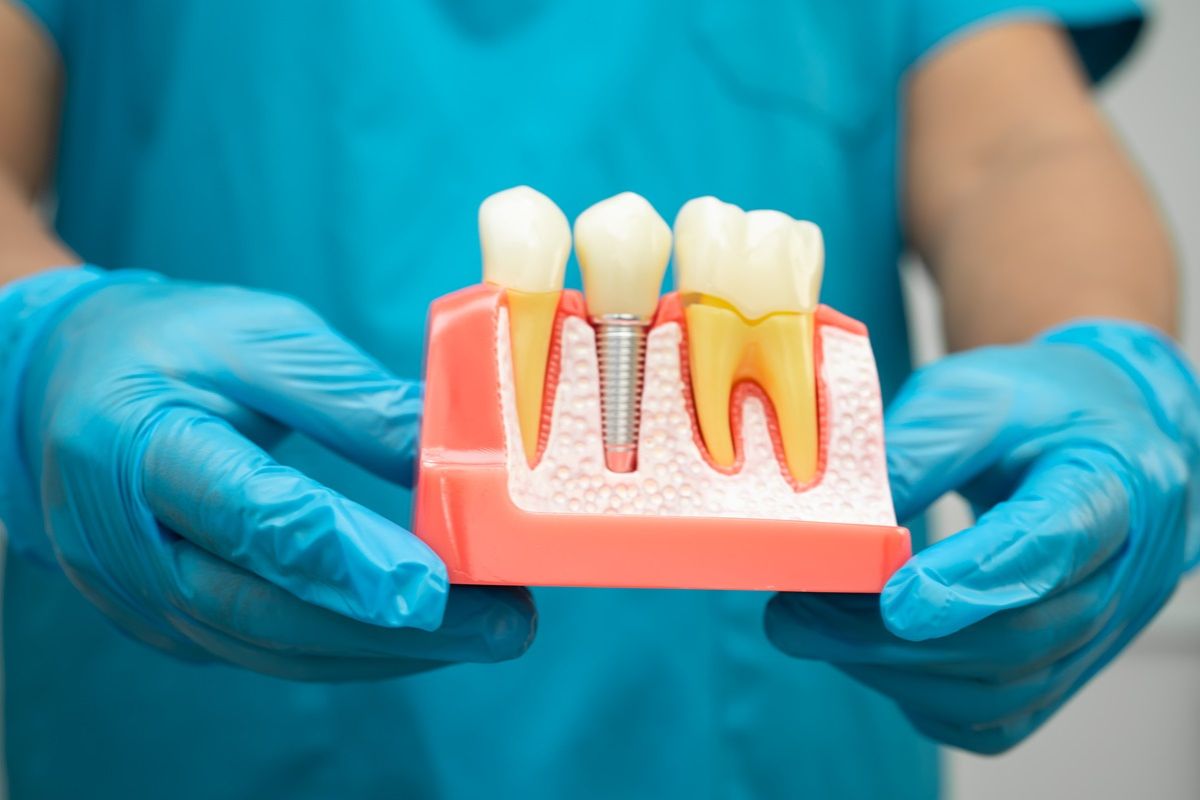
Your natural teeth help keep your jawbone strong by stimulating it every time you chew. When a tooth goes missing, that part of your jaw no longer gets the same pressure or activity. Over time, your body starts to reabsorb the bone in that area, called bone resorption.
This is a gradual change, but it can affect your ability to get a dental implant down years later. This is because implants need a strong, healthy bone foundation to stay stable.
Is It Too Late for a Dental Implant?
No. Even if it’s been years since your tooth was lost, many patients are still great candidates for implants. The primary factor is having enough remaining bone in the area to securely place an implant.
If there is enough bone, your dentist can likely place the implant without any extra procedures.
If bone loss has already occurred, it’s still possible to get an implant. Your dentist may recommend a bone graft, a straightforward procedure that rebuilds bone in the area so it can support an implant in the future.
Bone Grafting – When You Need It
A bone graft adds new material (often natural or synthetic bone) to the jaw where your tooth used to be. Over time, your body integrates the graft and builds new bone in the area.
You might need a bone graft if:
- It’s been several years since your tooth was lost
- You’ve had other oral health issues like gum disease
- You’re noticing a visible indentation in your gums where the tooth used to be
Not everyone needs a graft, and your dentist will assess your specific case with digital imaging and an exam.
What If You Have Been Missing Multiple Teeth?
If you’ve been missing several teeth for a while, implants are still a strong long-term solution. Depending on your needs, the dentist may recommend options like:
- Implant-supported bridges for multiple adjacent teeth
- Implant-retained dentures for full-arch replacements
These options are more stable and longer-lasting than traditional dentures, and they help preserve your jawbone health as well.
Why Waiting Too Long Can Make Things More Complicated
While implants are possible years after tooth loss, waiting too long can sometimes make the process more complex. The longer a tooth is missing, the more likely it is that bone has deteriorated.
That doesn’t mean it’s impossible, but it may mean extra steps like bone grafting, longer healing times, or more advanced treatment planning.
The sooner you get a complete evaluation of your oral health with missing a single tooth or multiple teeth, the more options you’ll likely have.
What Happens If You’re Considering an Implant After Years?
If you’ve been missing a tooth for a while, getting a dental implant might seem like a big decision. But the process usually begins with a simple conversation about your options and goals.
Your dentist will usually begin by looking at how much bone is left in the area, often using X-rays or 3D imaging. They’ll also ask about your medical history, how your bite feels, and whether you’ve noticed any changes since losing the tooth.
In some cases, there’s enough healthy bone to place an implant right away. In others, additional steps, like bone grafting or treating surrounding teeth may be needed first. The timeline varies from person to person, especially when tooth loss happened years ago.
This phase is all about understanding what your mouth needs to support a long-lasting result.
Restore Your Smile With Dental Implants in Cypress
At BLVD Dentistry & Orthodontics in Cypress, we understand that every patient’s situation is unique. Whether you’ve noticed a shift in your bite or your jawbone has changed, we’ll explain the options to find the best approach to restore your smile.
If you’ve been missing a tooth for a while, it’s not too late to make a change. Even years after tooth loss, dental implants can still be a great option to bring your smile back.
Contact us today to schedule your consultation and let us help you restore your smile and the confidence that comes with it.
Frequently Asked Questions
1. How long does it take to get a dental implant after losing a tooth?
The timeline for getting a dental implant depends on several factors, including how long it’s been since you lost the tooth and the condition of your jawbone. If there’s enough bone, the implant can often be placed within a few months. If bone grafting is required, it may take several additional months to ensure the bone is strong enough to support the implant.
2. Will a dental implant look and feel like a natural tooth?
Yes, dental implants are designed to mimic the look and feel of your natural teeth. The implant itself is made of titanium, which integrates with your jawbone. Once the implant is placed, a custom crown is created to match the shape, size, and color of your existing teeth, giving you a seamless and natural smile.
3. Can I get a dental implant if I have gum disease or other dental issues?
It’s possible, but it depends on the severity of the issue. If you have gum disease or other oral health problems, these need to be addressed before proceeding with a dental implant. In some cases, treating the underlying issue (like gum disease) and ensuring your gums are healthy is necessary to ensure a successful implant procedure.
4. How long do dental implants last?
Dental implants are designed to be a long-term solution. With proper care, they can last 20 years or longer. While the crown on top may need to be replaced after 10-15 years due to wear, the implant itself can stay in place for decades.