
Replacing a missing tooth is about more than filling an empty space. A tooth replacement should fit comfortably, support normal function, and work with the health of your remaining teeth and gums. For patients considering Dental Implants Houston, understanding how implant treatment works can make the decision easier to navigate.
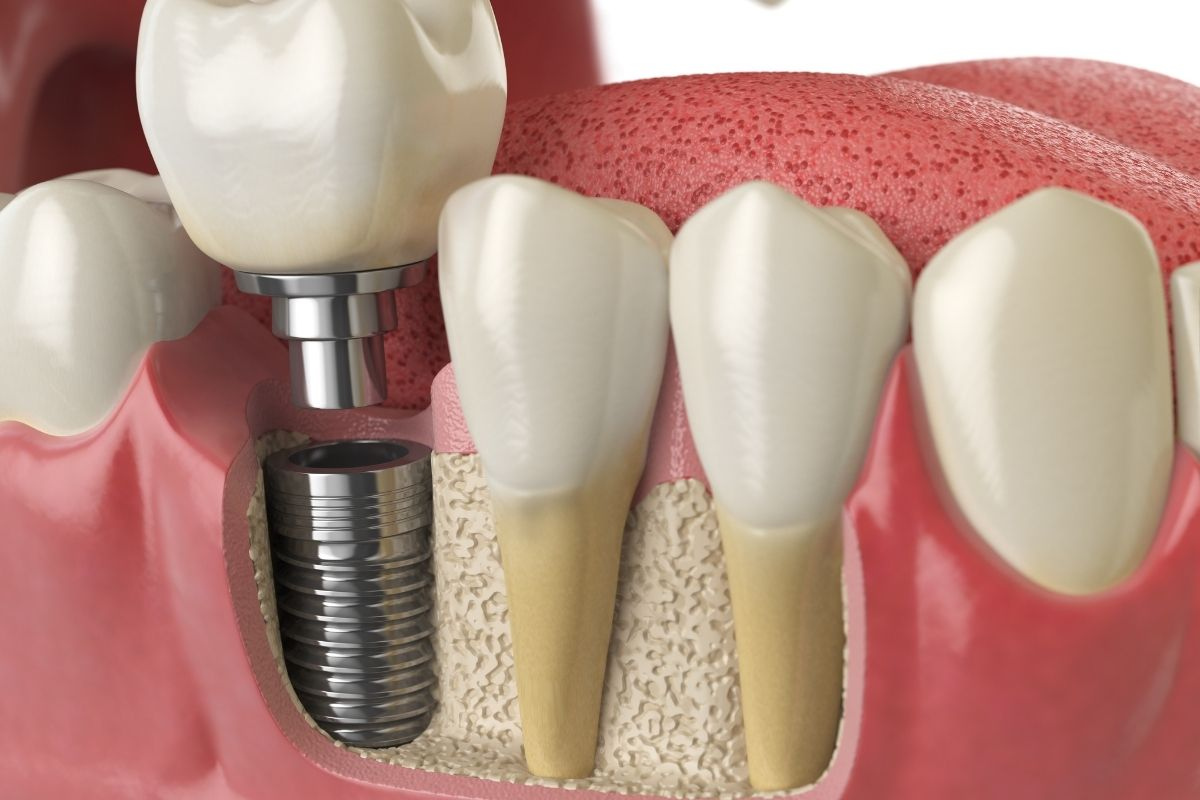
Dental implants are designed to replace the root portion of a missing tooth with an implant post placed in the jawbone. After healing and integration with the surrounding bone, the implant can support a replacement tooth such as a crown. BLVD Dentistry & Orthodontics describes its implant process in three broad stages: surgical placement, osseointegration, and attachment of the replacement tooth or teeth.
The right treatment, however, depends on your individual oral health. An implant consultation is therefore an important starting point.
What Are Dental Implants?
A dental implant is a replacement for the root of a missing tooth. The implant post is placed into the jawbone, where it can eventually integrate with the surrounding bone. A restoration is then attached to the implant to replace the visible portion of the tooth.
For a single missing tooth, the final restoration may be a dental crown. When several teeth need to be replaced, implant-supported bridges or dentures may be considered depending on the patient’s needs.
Unlike a traditional removable denture, an implant-supported restoration is anchored to the jaw rather than simply resting on the gums.
Why the Consultation Matters
Not every missing tooth should automatically be replaced with an implant. A dentist needs to evaluate the condition of your mouth before recommending treatment.
An implant consultation may involve looking at:
- The location and number of missing teeth
- The condition of your gums
- The health of nearby teeth
- The available jawbone
- Your overall oral hygiene
- Existing dental restorations
- Your goals for appearance and function
Your dentist may also use dental imaging to better understand the bone and structures surrounding the proposed implant site.
This evaluation helps determine whether an implant is appropriate and whether additional treatment may be needed before placement.
Does Losing a Tooth Mean You Need an Implant?
Not necessarily. Dental implants are one tooth-replacement option, but they are not the only one.
Depending on your circumstances, your dentist may discuss options such as:
- A dental bridge
- A removable partial denture
- An implant-supported restoration
- Other restorative approaches
The best choice depends on factors such as the number of missing teeth, the condition of surrounding structures, your oral health, and your preferences.
BLVD already has educational content comparing implants with bridges and dentures, so this article takes a different approach: helping patients understand what should happen before deciding on implant treatment.
What Happens During Dental Implant Treatment?
Although every treatment plan is different, implant treatment generally involves several stages.
1. Treatment Planning
Your dentist evaluates your oral health and discusses your goals. Imaging and examination help determine the appropriate position for the implant.
2. Implant Placement
The implant post is surgically positioned in the jawbone. The area then needs time to heal.
3. Osseointegration
During healing, the implant integrates with the surrounding bone. This process is important because the implant needs a stable foundation before the final restoration is attached.
4. Restoration
Once the implant has adequately healed, the replacement tooth or teeth can be attached. For a single missing tooth, this may involve a crown designed to fit with the surrounding teeth.
Because healing times and treatment requirements vary, your dentist should explain your expected sequence rather than relying on a one-size-fits-all timeline.
What Can Affect Your Implant Treatment Plan?
Several factors may influence how treatment is planned.
For example, the condition of your gums and jawbone can matter. Existing dental problems may also need attention before implant placement.
Your dentist may recommend addressing active oral health concerns first so that the implant is placed in a healthier environment.
This is one reason an implant consultation is more useful than trying to determine candidacy from symptoms or an online checklist.
Questions to Ask Before Choosing Dental Implants
If you’re considering treatment, bring questions to your appointment. Useful questions include:
- Am I a candidate for an implant?
- What type of restoration would I need?
- How long might my treatment take?
- Will I need any additional procedures first?
- What should I expect during healing?
- How should I care for the implant afterward?
- What alternatives should I consider?
A good consultation should leave you understanding why a particular option is being recommended, not simply what procedure comes next.
Caring for Your Replacement Tooth
An implant does not eliminate the need for routine oral hygiene. You still need to brush, clean between your teeth, and attend recommended dental visits.
Your dentist can also explain how to clean around your specific restoration and identify any areas that need extra attention.
Long-term maintenance matters because an implant-supported restoration is still part of your oral environment. Healthy gums and good daily hygiene remain important.
Choosing Dental Implants in Houston
Patients looking for dental implants in Houston may have access to BLVD Dentistry & Orthodontics locations serving different parts of the broader Houston market, including Heights and Oak Forest, with additional BLVD locations serving nearby communities such as Richmond and Spring/Cypress. The practice’s Houston-area service pages identify dental implants among its available services.
Rather than choosing treatment based only on convenience or appearance, start with a thorough evaluation and a discussion of your options.
The Bottom Line
Dental implants can provide a stable way to replace missing teeth, but successful treatment starts with appropriate planning. A consultation can help determine whether an implant fits your oral health, restoration needs, and goals.
If you’re considering dental implants in Houston, ask your dentist to explain the complete treatment sequence, alternatives, expected healing, and long-term maintenance before moving forward.
FAQs
Q1: Are dental implants suitable for everyone?
Not necessarily. Candidacy depends on factors such as oral health, gum condition, available bone, and the specific tooth-replacement situation. A dental examination is needed to determine whether implants are appropriate.
Q2: How long does dental implant treatment take?
Treatment time varies. Implant placement is followed by a healing period before the final restoration is attached, so your dentist should provide a timeline based on your individual treatment plan.
Q3: Can one dental implant replace one missing tooth?
Yes. A single implant can support a crown designed to replace one missing tooth.
Q4: Are dental implants the only way to replace missing teeth?
No. Bridges and removable dentures are among the alternatives that may be considered depending on the patient’s circumstances.
Q5: How do I care for dental implants?
Continue brushing, cleaning between your teeth, maintaining regular dental visits, and following the cleaning instructions provided for your specific restoration.