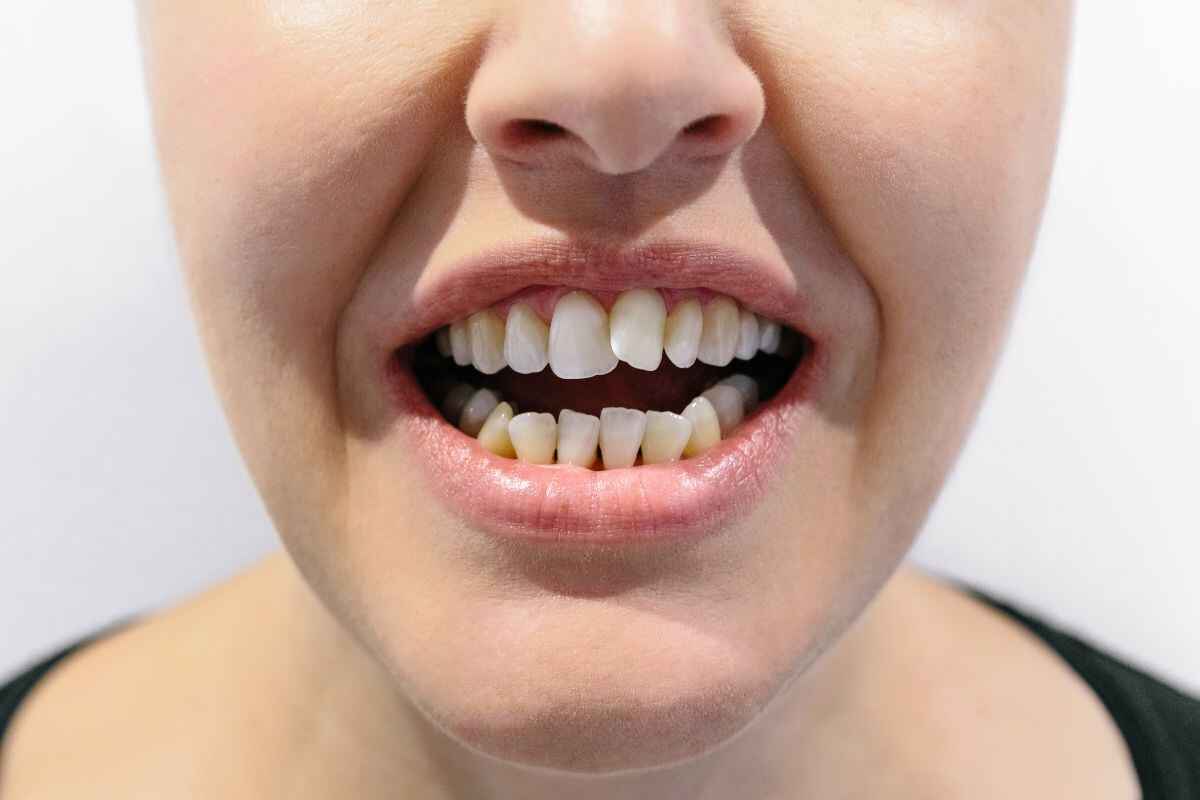
Crooked teeth refer to teeth that are misaligned, crowded, rotated, or don’t sit properly within the dental arch. This misalignment can affect how your teeth come together when you bite, as well as how easily you can keep them clean.
When crooked teeth are left untreated, they can lead to a range of oral health problems over time. You may face difficulty cleaning between teeth, which increases the risk of cavities and gum disease. Uneven pressure on certain teeth can cause premature wear, chipping, or sensitivity, while bite imbalances may strain the jaw and lead to discomfort or headaches.
6 Key Consequences Caused By Crooked Teeth
1. Oral Hygiene Becomes a Daily Struggle
When teeth overlap, twist, or crowd together, they create tight spaces that are difficult to reach with a toothbrush or floss.
You might feel like you’re doing everything right, but plaque and food debris can still build up in those hard-to-clean areas.
Over time, this leads to:
- Increased plaque accumulation
- Higher risk of cavities between teeth
- Persistent bad breath
Even patients who are diligent with their oral care often find that crooked teeth make it harder to maintain a truly clean mouth.
2. Higher Risk of Gum Disease
Gum health depends heavily on how well you can clean along the gumline. Crooked or crowded teeth make this harder, allowing bacteria to settle in and irritate the gums.
What starts as mild inflammation (gingivitis) can progress into more serious gum disease if left unchecked.
You may notice:
- Red, swollen, or bleeding gums
- Gum recession over time
- Sensitivity near the gumline
In more advanced cases, gum disease can affect the bone that supports your teeth. That’s when the problem becomes more than just discomfort—it becomes a threat to tooth stability.
3. Uneven Wear and Tear on Teeth
Teeth are designed to distribute biting forces evenly. When alignment is off, certain teeth end up taking more pressure than they should.
This can lead to:
- Premature enamel wear
- Chipping or cracking
- Increased tooth sensitivity
Patients are often surprised when a single tooth starts wearing down faster than others. In many cases, the root cause is misalignment that’s been present for years.
4. Jaw Pain and Bite Problems
Crooked teeth don’t just affect the teeth themselves—they can change how your upper and lower jaws come together.
When your bite is off, your jaw muscles have to compensate. Over time, this can strain the jaw joint.
You might experience:
- Jaw soreness or stiffness
- Clicking or popping sounds
- Headaches, especially in the morning
- Difficulty chewing certain foods
These symptoms are often linked to bite imbalance, which can worsen gradually if the underlying alignment issue isn’t addressed.
5. Increased Risk of Tooth Damage or Injury
Teeth that stick out or sit in an abnormal position are more vulnerable to injury.
For example:
- Protruding front teeth are more likely to chip or break
- Misaligned teeth can collide during chewing in unnatural ways
- Crowded teeth may place pressure on each other
Even everyday activities, like eating or minor bumps, can cause damage when teeth aren’t properly aligned.
6. Speech and Chewing Difficulties
Teeth play a role in how you pronounce certain sounds and how efficiently you chew food.
When alignment is off, it can subtly affect:
- Speech clarity (especially with certain consonants)
- Bite efficiency
- Digestion, due to improper chewing
Many people adapt without realizing it, but the strain is still there. Over time, these small adjustments can lead to fatigue in the jaw and uneven wear on teeth.
When Should You Consider Fixing Crooked Teeth?
If you’re noticing any of the following, it’s worth having your alignment evaluated:
- Difficulty flossing or brushing certain areas
- Frequent cavities between teeth
- Jaw discomfort or bite issues
- Teeth that appear to be shifting over time
- Uneven wear or chipping
You don’t need severe misalignment to benefit from treatment. Even small corrections can make a meaningful difference in long-term oral health.
What Are the Treatment Options for Crooked Teeth?
Traditional Braces
They’re especially effective for:
- Significant crowding
- Bite correction (overbite, underbite)
- Complex tooth movement
While they’re more noticeable, today’s braces are smaller, more comfortable, and far more efficient than they used to be.
Clear Aligners
They’re a good option for:
- Mild to moderate crowding
- Gaps between teeth
- Patients who prefer a nearly invisible treatment
Because they’re removable, you can eat and clean your teeth more easily, but consistency is key.
Retainers (for Minor Corrections)
In some mild cases when teeth have shifted slightly over time, a retainer may help guide them back into place or prevent further movement.
Retainers are often used:
- After orthodontic treatment
- For very minor alignment adjustments
- To maintain long-term results
Veneers or Cosmetic Contouring
For patients mainly concerned with appearance rather than bite function, cosmetic options like veneers or minor reshaping may improve how teeth look.
However, it’s important to understand:
- These do not correct underlying bite issues
- They are best suited for small visual adjustments
- A proper evaluation is needed before choosing this route
Let’s Correct Your Crooked Teeth with the Right Treatment in Texas
If you’ve been putting off treatment or wondering whether crooked teeth are affecting your oral health, BLVD Dentistry & Orthodontics is here for you in Texas. We proudly serve Texas families with convenient locations across Austin (5th Street and Riverside), Fort Worth, and Houston.
At every one of our practices, we take a practical, patient-first approach. We’ll walk you through your diagnostic results, explain your treatment options clearly, and help you decide on a plan that fits your lifestyle and goals.
Find the BLVD office nearest you and let’s figure out the right path forward for your smile.
Frequently Asked Questions
- Can crooked teeth cause serious dental problems if left untreated?
Yes, crooked teeth can lead to more than just cosmetic concerns. When left untreated, they make it harder to clean properly, increasing the risk of cavities, gum disease, and even tooth loss over time. They can also cause uneven wear and put extra stress on certain teeth and the jaw.
- Do crooked teeth get worse with age?
In many cases, yes. Teeth can continue to shift over time due to natural aging, bite pressure, or missing teeth. What starts as mild crowding can gradually become more noticeable and harder to treat if ignored.
- Is it too late to fix crooked teeth as an adult?
No, it’s never too late. Adults can successfully straighten their teeth with options like braces or clear aligners. Treatment may take slightly longer compared to younger patients, but the results and health benefits are still significant.
- What is the best treatment for crooked teeth?
The best treatment depends on the severity of misalignment and your specific needs. Options include braces, clear aligners, or in some cases, cosmetic solutions. A professional evaluation is the best way to determine what will work effectively for your situation.