
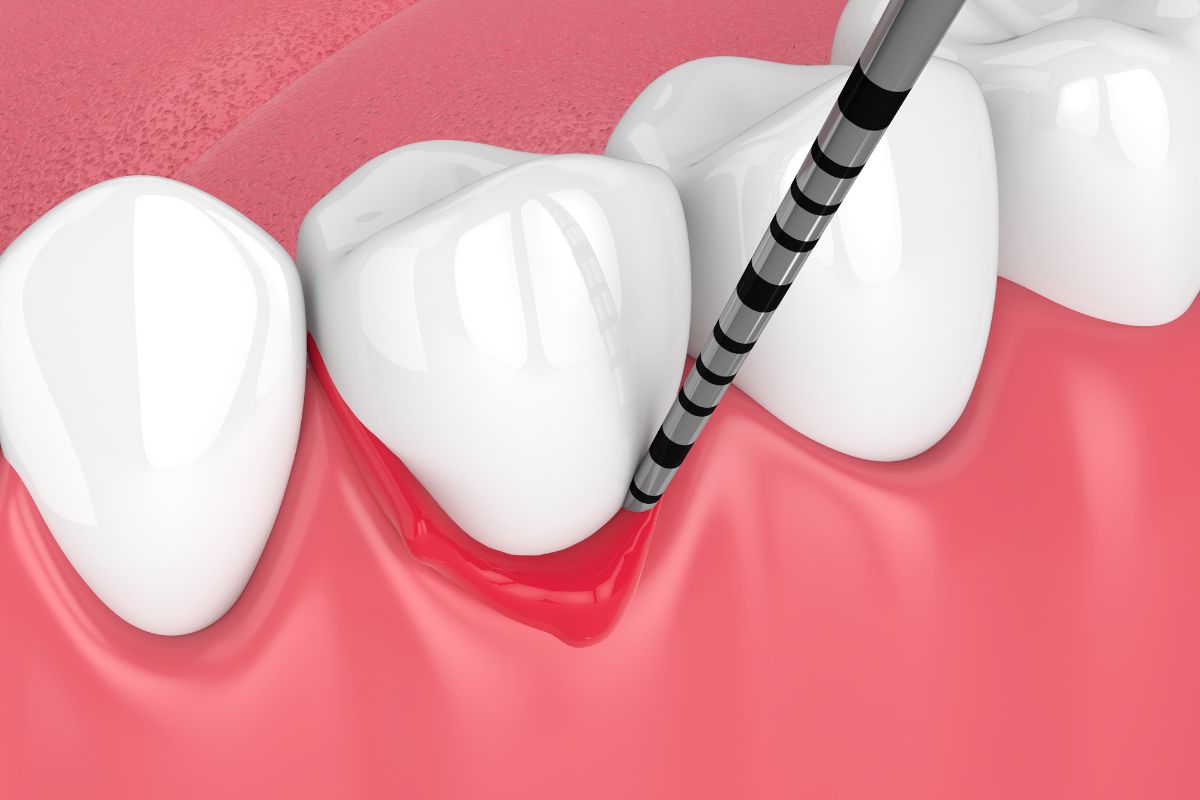
Imagine biting into a juicy apple, but your gums bleed instead. Ouch! That could be a sign of gum disease, a sneaky infection that attacks the tissues supporting your teeth. If left untreated, it can lead to serious problems down the line. But fear not, maintaining healthy gums is easier than you think! Let’s delve into what gum disease is and how to keep those pearly whites firmly in place.
Unveiling Gum Disease & Saving Smiles
What is Gum Disease?
Gum disease, also known as periodontal disease, starts with plaque buildup. Plaque is a sticky film teeming with bacteria that forms on your teeth after you eat. If not removed through regular brushing and flossing, plaque hardens into tartar (calculus). This creates a shield for bacteria, allowing them to irritate and inflame your gums.
The early stage of gum disease is called gingivitis. Symptoms include red, swollen, and tender gums that bleed easily when you brush. While gingivitis is reversible with good oral hygiene, if left untreated, it can progress to periodontitis.
Periodontitis is a more severe gum infection that damages the bone supporting your teeth. This can lead to loose teeth, extreme pain, and even tooth loss. Yikes!
Keep Those Gums Happy: Prevention is Key
The good news is that gum disease is largely preventable with a consistent oral hygiene routine. Here are some key strategies to keep your smile healthy:
- Brushing Basics: Brush your teeth twice a day for two minutes each time. Use a soft-bristled brush and fluoride toothpaste to remove plaque and bacteria from the tooth surface and gum line. Don’t forget to brush your tongue too!
- Flossing Finesse: Flossing daily reaches between teeth where your toothbrush can’t. It removes plaque and food particles that can contribute to gum disease.
- Regular Dental Checkups: Schedule regular dental checkups and cleanings with a dentist in Austin, NV. They can detect gum disease early and recommend treatment if needed.
- Healthy Habits: Maintain a healthy diet low in sugar and acidic foods. Smoking can also worsen gum disease, so consider quitting if you smoke.
By following these simple steps, you can significantly reduce your risk of gum disease and keep your smile healthy for years to come.
Remember, early detection and treatment are crucial for preventing gum disease from progressing. If you notice any signs of gum problems, don’t hesitate to schedule an appointment with a dentist.
Taking care of your smile is an investment in your overall health and well-being. So, brush, floss, and keep smiling!