February is “Gum Disease Awareness Month”, a time to highlight to prevent periodontal disease – the main cause of bleeding gums, lingering bad breath, tooth loss. Texans around here, folks are busy with long workdays, family commitments, hot summers, sweet tea, and barbecue that’s hard to say no to. Oral health often takes a back seat until something feels off.
Gum Disease Awareness Month is a good time to check in with yourself:
- Are your gums healthy?
- Have you noticed changes you’ve been brushing off?
- Has it been a while since your last exam?
Ready to Save Your Smile?
If you have concerns about bleeding gums, gum tenderness, or signs of gum disease, BLVD Dentistry & Orthodontics offers expert gum health evaluations across Austin, Houston, and Fort Worth.
Schedule a consultation at one of our Texas locations, including Houston (Spring, Cypress, Galleria, and Heights), Fort Worth, and Austin (5th Street and Riverside). With multiple locations across Texas, it’s easy to find expert guidance near you and start your smile prep with confidence.
What Gum Disease Treatment Matters
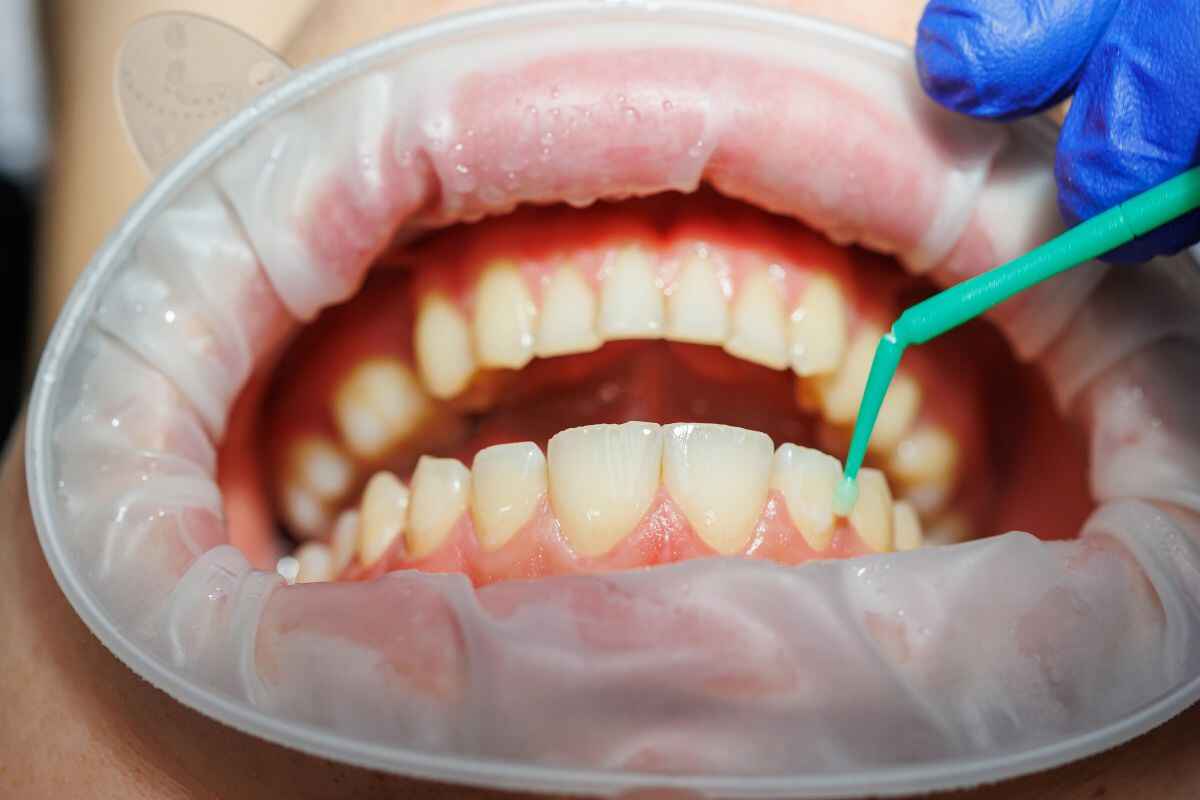
Gum disease starts quietly, with plaque building up along the gumline. If that plaque isn’t removed, it hardens into tartar and irritates the gums. The earliest stage is gingivitis. Gums may look red or swollen and bleed when brushing or flossing. At this stage, the damage is still reversible.
If gingivitis is left untreated, it can progress into periodontitis, a more serious form of gum disease. The gums pull away from the teeth, forming pockets where bacteria thrive. Over time, this can lead to bone loss, loose teeth, and eventually tooth loss.
Why Gum Disease Is So Common in Texas
Texas has its own mix of risk factors that can make gum disease more likely:
- High rates of diabetes across the state, which increases susceptibility to gum infections
- Dry mouth, often linked to medications, dehydration, or breathing through the mouth in hot weather
- Smoking and tobacco use, including smokeless tobacco
- Busy lifestyles, where preventive dental visits get postponed
Early Signs YOur Shouldn’t Ignore
One of the biggest challenges with gum disease is that it doesn’t always hurt right away. Many people assume bleeding or soreness is normal. It’s not.
Watch for these common warning signs:
- Gums that bleed when brushing or flossing
- Persistent bad breath or a bad taste that doesn’t go away
- Red, swollen, or tender gums
- Gums pulling back from the teeth
- Teeth that feel loose or shifted
- Sensitivity near the gumline
If you notice one or more of these, it’s worth paying attention sooner rather than later. Early action can prevent long-term damage.
Research continues to show connections between gum disease and conditions like heart disease, diabetes complications, and chronic inflammation. Healthy gums support overall health.
Gum Disease vs. Gingivitis: What’s the Difference?
Gingivitis is the mild, early stage. There’s inflammation, but no bone loss yet. With proper brushing, flossing, and professional cleanings, gums can return to a healthy state.
Periodontitis is more advanced. The infection has moved below the gumline and started damaging the bone that holds teeth in place. Treatment focuses on stopping progression and managing the condition long term.
Knowing the difference matters because gingivitis can often be reversed, while periodontitis requires ongoing care.
Daily Habits That Actually Protect Your Gums
There’s no fancy trick here, just steady habits that work.
- Brush twice a day, paying attention to the gumline. Gentle pressure is better than scrubbing hard.
- Floss once a day. This removes plaque where toothbrushes can’t reach. If traditional floss is tough, water flossers or interdental brushes can help.
- Stay hydrated. Water helps rinse away bacteria and keeps saliva flowing, which naturally protects the mouth.
- Avoid sugar and starches. Frequent snacking fuels the bacteria that cause gum inflammation.
- Don’t skip dental checkups. Professional cleanings remove tartar buildup that brushing alone can’t handle.
For some adults, especially those with a history of gum disease, more frequent cleanings may be recommended.
When Gum Disease Needs More Than a Regular Cleaning
Sometimes brushing and routine cleanings aren’t enough. If tartar builds up below the gumline, a deep cleaning, often called scaling and root planing, may be needed. This treatment removes bacteria from beneath the gums and helps the tissues heal.
The goal isn’t just to clean teeth; it’s to create an environment where the gums can reattach and inflammation can calm down. Addressing the problem early makes treatment simpler and more comfortable.
Frequently Asked Questions
- Can gum disease go away on its own?
No. Gum disease does not resolve without intervention. Early-stage gingivitis can be reversed with proper home care and professional cleanings, but advanced gum disease requires dental treatment to prevent further damage to the gums and bone.
- How do I know if I need a deep cleaning for gum disease?
A deep cleaning may be recommended when plaque and tartar build up below the gumline and gums begin pulling away from the teeth. Signs include bleeding gums, persistent bad breath, gum recession, and deeper gum pockets measured during an exam.
- Does gum disease affect overall health?
Yes. Gum disease has been linked to systemic health concerns such as heart disease, diabetes complications, and chronic inflammation. Maintaining healthy gums supports not only oral health but overall wellness as well.