In the realm of emergencies, dental concerns tend to slip under the radar. We diligently assemble our first-aid kits for those inevitable cuts and bruises, but how often do we consider being prepared for a dental crisis? The piercing pain of a toothache striking in the dead of night or a tooth knocked out during a weekend soccer match can be truly distressing and excruciating. Recognizing what constitutes a dental emergency and having the knowledge to respond effectively can be a pivotal factor in safeguarding your oral well-being. In the following discussion, we will delve into the world of common dental emergencies and equip you with the understanding you need to navigate them with confidence.
1. Toothaches: The Nagging Pain
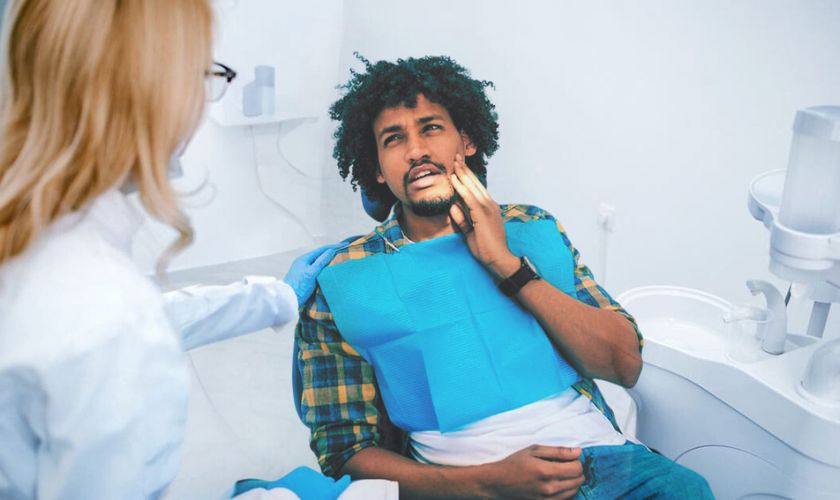
Toothaches are often the result of dental decay, abscessed teeth, or gum infections. The pain can range from mild discomfort to excruciating agony, making it difficult to focus on anything else. In the event of a toothache, rinse your mouth with warm water to clean it. Floss gently to remove any food particles that might be causing irritation. Over-the-counter pain relievers can help alleviate the discomfort temporarily. However, it is crucial to consult a dentist promptly, as untreated toothaches can indicate underlying dental problems that need professional attention.
2. Knocked-Out Tooth: Act Swiftly
Accidents happen, and one of the most common dental emergencies involves a knocked-out tooth. If you find yourself in this situation, it’s crucial to act swiftly. Hold the tooth by the crown (the visible part) and rinse it gently with water. Do not scrub or remove any attached tissue fragments. If possible, try to reinsert the tooth into the socket. If that’s not feasible, place it in a container of milk or saliva. Time is of the essence in this situation; the sooner you seek dental care, the higher the chances of saving the tooth.
3. Chipped or Broken Teeth: Preserve the Pieces
Chipping or breaking a tooth can be painful and distressing. If you experience this, try to save any broken pieces. Rinse your mouth with warm water to clean it and apply gauze to stop any bleeding. Use a cold compress on the outside of your mouth to minimize swelling. Visit your dentist as soon as possible. Depending on the severity of the damage, the dentist might be able to bond the chipped piece back or recommend other suitable treatments.
4. Lost Filling or Crown: Temporary Solutions
Losing a filling or a crown can expose the sensitive inner layers of your tooth, causing discomfort and pain. In this situation, temporary dental cement, available at most pharmacies, can be used to cover the exposed area until you can see a dentist. Avoid chewing on the affected side and opt for soft foods to prevent further damage. However, remember that this is a temporary solution, and professional dental care is necessary to restore the filling or crown properly.
5. Soft Tissue Injuries: Handle with Care
Injuries to the soft tissues of the mouth, such as the tongue, cheeks, lips, and gums, can result from accidents or bites. Clean the affected area gently with warm water and apply pressure using a clean cloth or gauze to stop any bleeding. If the bleeding doesn’t stop within a reasonable time or if the injury is severe, seek immediate medical attention. Soft tissue injuries, if not treated promptly, can lead to complications and infections.
6. Prevention is the Best Medicine
While it’s essential to know how to handle dental emergencies, prevention remains the best approach. Regular dental check-ups and maintaining good oral hygiene can significantly reduce the risk of dental issues. Brush your teeth at least twice a day, floss daily, and use an antiseptic mouthwash to kill bacteria. Avoid excessive sugary foods and drinks, and quit smoking to promote better oral health. Wearing mouthguards during sports activities and being mindful of your eating habits can prevent accidents that lead to dental emergencies.
7. The Importance of Having an Emergency Dentist
Lastly, having a trusted emergency dentist can make a world of difference during dental crises. Research local dentists who offer emergency services and keep their contact information handy. In emergencies, time is critical, and having a dentist you can rely on can provide much-needed reassurance.
In times of dental emergencies, fear can easily take over, but knowing how to handle these situations can truly make a world of difference. Swift and thoughtful actions can be the line between saving a precious tooth and facing prolonged complications.
Furthermore, taking steps to prevent these emergencies and having a reliable source for emergency dental care can’t be stressed enough. Your oral health is intricately connected to your overall well-being, so it’s crucial to treat these emergencies with the urgency they rightly deserve. Remember, a little care today can save you from significant trouble tomorrow. Stay safe and prioritize your dental health – it’s an essential part of your overall health journey.