Getting a dental implant is an important step toward restoring your smile, comfort, and confidence. While the procedure itself is carefully planned and performed, what happens after surgery plays an equally important role in long-term success. The first 30 days are when your body begins the critical process of healing and bonding the implant to the jawbone. Small daily choices during this time can support healing—or quietly work against it. In this guide, we walk you through what to expect during the first month after dental implant surgery, what habits help protect your investment, and which common mistakes can slow healing or increase complications.
Why the First 30 Days After Dental Implant Surgery Matter
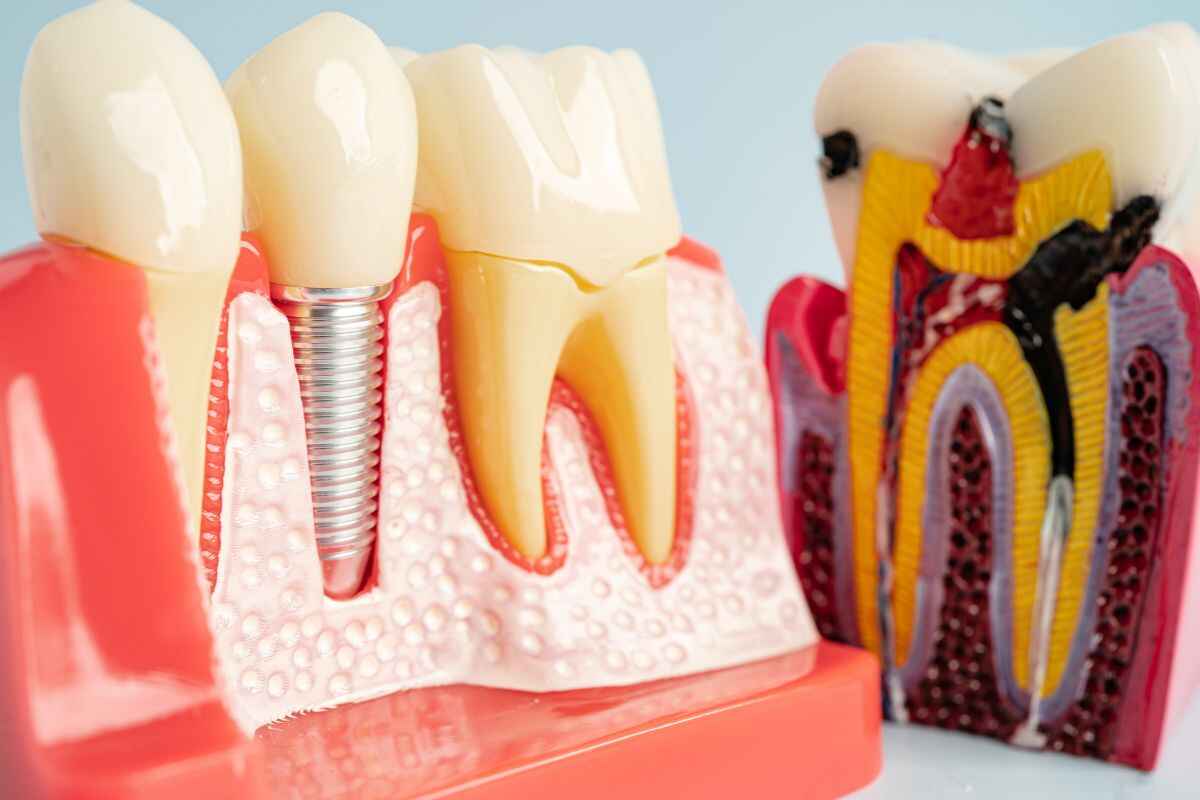
During the initial healing period, the implant undergoes osseointegration, a biological process where the bone grows and bonds directly to the implant surface. This creates the stable foundation needed to support a crown, bridge, or denture. Inflammation, infection, excessive pressure, or poor oral hygiene during this phase can interfere with that process. Our goal during this first month is simple: protect the surgical site, minimize stress on the implant, and support healthy tissue healing.
The First 72 Hours: Protect the Surgical Site
The first few days set the tone for healing.
What You Should Do
- Rest and limit activity. Increased blood pressure can worsen swelling or bleeding.
- Use cold compresses on the outside of the face for the first 24 hours to manage swelling.
- Take medications as prescribed, including antibiotics or anti-inflammatory medications.
- Eat soft, cool foods like yogurt, smoothies (no straws), eggs, or mashed vegetables.
What You Shouldn’t Do
- Do not smoke or vape. Nicotine restricts blood flow and significantly increases implant failure risk.
- Avoid rinsing forcefully or spitting for the first 24 hours.
- Do not touch the implant site with your fingers or tongue.
Next 4 – 14 Days: Time for Early Healing
As swelling decreases and discomfort improves, it’s easy to feel “back to normal.” This is where patients often become too relaxed.
What You Should Do
- Gently rinse with warm salt water after meals to keep the area clean.
- Brush carefully, avoiding direct contact with the surgical site until advised.
- Stick with soft foods, gradually introducing firmer textures as comfort allows.
- Keep follow-up appointments, even if everything feels fine.
What You Shouldn’t Do
- Avoid chewing directly on the implant area.
- Do not use straws, the suction can disrupt healing.
- Avoid alcohol, which can slow tissue repair and interact with medications.
Oral Hygiene After Dental Implants
Keep your mouth hygiene, but aggressive cleaning can cause damage early on.
- Use a soft-bristled toothbrush
- Avoid electric brushes near the implant site during early healing
- Do not use water flossers unless cleared by your dentist
- Once healed, daily plaque control becomes essential to prevent peri-implant disease
Healthy gums are just as important as healthy bones when it comes to implant longevity.
Weeks 3 – 4: Building Stability
By the third and fourth week, the implant is becoming more stable—but it’s not fully integrated yet.
What To Do in 3-4 Weeks
- Continue mindful chewing
- Maintain excellent oral hygiene
- Resume normal activity gradually
- Report any unusual symptoms promptly
Warning Signs to Watch For in 3 – 4 Weeks
- Persistent pain beyond expected healing
- Increasing swelling after initial improvement
- Bleeding, pus, or a bad taste
- A feeling that the implant is loose
Early intervention can often prevent small issues from becoming major complications.
Common Mistakes That Can Delay Implant Healing
We often see healing problems tied to everyday habits patients don’t realize are risky:
- Smoking “just one” cigarette
- Skipping follow-up visits
- Chewing ice or hard foods too early
- Assuming pain-free means fully healed
- Neglecting oral hygiene near the implant
Dental implants are strong, but healing bones are vulnerable.
Dental Implants Service You Can Rely On Across Texas
At BLVD Dentistry & Orthodontics, we support patients through every stage of dental implant care – from surgery through healing and long-term maintenance. Our teams work with patients at our offices in Austin with two locations in 5th Street and Riverside, Fort Worth Hulen, Houston, and Cypress, providing clear guidance and attentive follow-up during the most important weeks of recovery.
If you are planning dental implants treatment, or have questions about your healing progress, we invite you to any of our locations and learn how you can help you move forward with confidence. Find our office near you and schedule a consultation to receive personalized implant care.
Frequently Asked Questions
1. How long does it take for a dental implant to heal?
Initial healing after dental implant surgery typically takes 2 to 4 weeks, but full healing happens over several months as the implant bonds with the jawbone. During the first 30 days, the gum tissue closes and early bone integration begins. Even if discomfort fades quickly, the implant is still healing beneath the surface, which is why following aftercare instructions remains important.
2. What foods should I avoid during the first month after dental implant surgery? For the first few weeks, it’s best to avoid hard, crunchy, sticky, or chewy foods. Items like nuts, chips, crusty bread, and tough meats can place unnecessary pressure on the implant site. Soft foods and gradually reintroducing firmer textures help protect the implant while the bone and gums heal.
3. Is some pain or swelling normal after getting a dental implant?
Yes, mild to moderate swelling, tenderness, and soreness are normal during the first few days after surgery. These symptoms should steadily improve rather than worsen. Persistent pain, increasing swelling, or signs of infection—such as pus or a foul taste—should be evaluated promptly to prevent complications.
4. When can I return to normal brushing and flossing after a dental implant?
You can usually resume gentle brushing within a day or two, avoiding direct contact with the surgical site at first. Flossing and more thorough cleaning near the implant area should only resume once your dentist confirms it’s safe. Keeping the area clean without over-irritating the tissues is key to successful healing.
