
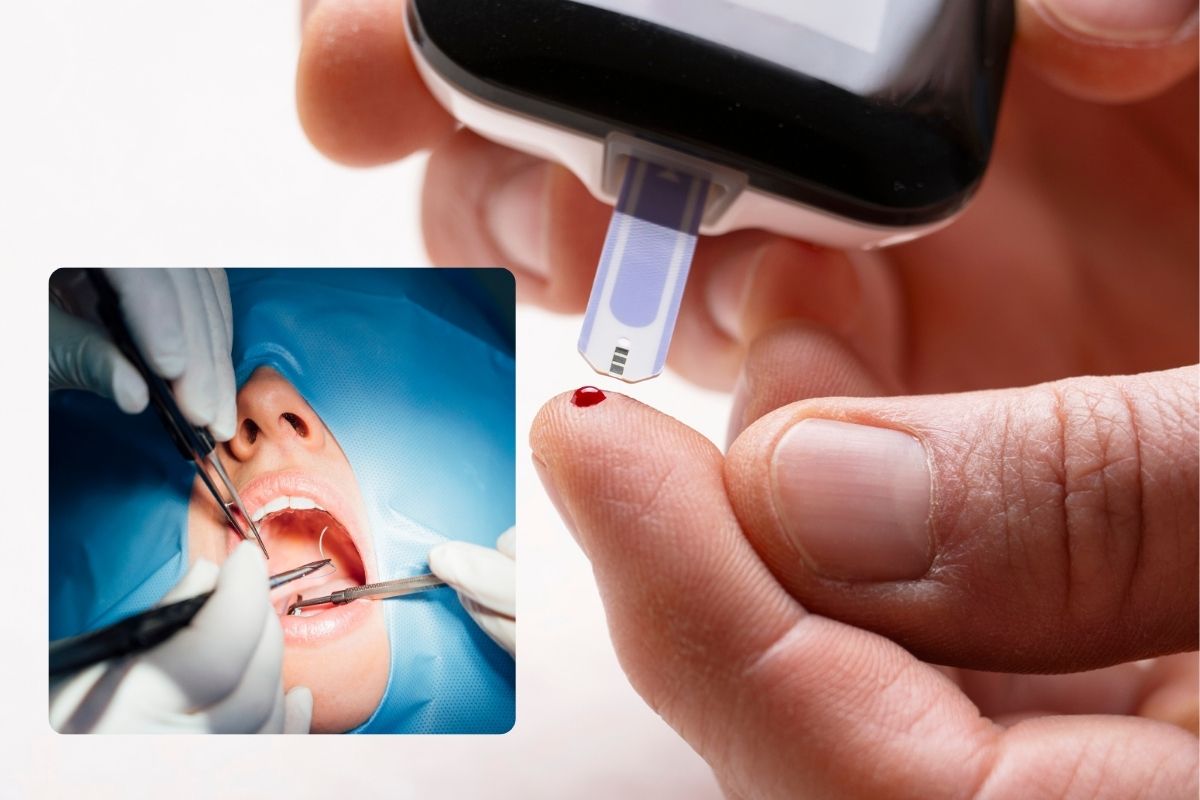
Living with diabetes means you’re constantly balancing your health—but what if you’re scheduled for dental surgery and your blood sugar is higher than usual? At BLVD Dentistry & Orthodontics, we understand the challenges. We are committed to providing safe dental care for diabetics and patients managing high glucose levels. As a trusted dentist, we always aim to keep you informed and secure before, during, and after your dental procedure, prioritizing your safety above all else.
Can Surgery Be Performed If Blood Sugar Is High?
Yes—but not always. Dental surgery can continue if your blood sugar is somewhat high and you otherwise have good health. But dental surgery with uncontrolled diabetes or acutely high glucose levels is generally postponed. Infection, poor healing, and complications are much more likely to occur.
We carefully consider your present health and medical history before deciding. If the procedure is elective and your blood sugar is not controlled, it’s better to wait.
Why We Monitor Blood Sugar First
We never proceed with surgery until we’ve checked your glucose levels. It’s not a formality—it’s your protection. From dental implants for people with diabetes to routine extractions, any procedure involves some degree of trauma to the gums and jaw. If your blood sugar is high, your body may not heal.
That’s why all oral surgeries, that are done at our clinic come with careful care planning behind them.
What Are Healthy Blood Sugar Levels for Dental Work?
For most diabetic patients, it is generally safe to have fasting glucose levels before surgery in the range of 80–130 mg/dL. An A1C of less than 7% is also preferable. These levels allow us to ensure your body is best prepared to heal without extra risk factors.
What is the maximum blood sugar level for dental surgery?
There’s no universal “maximum,” but generally, surgery may be postponed if your fasting glucose is over 180–200 mg/dL or if A1C is significantly above 8%. We’ll always consult your physician first.
How High Blood Sugar Affects Healing and Infection Risks
Your immune system can’t function optimally when blood glucose is too high. That means that your gums won’t stop bleeding as quickly as they should, your incisions may not heal as quickly, and your likelihood of getting infections is higher. WebMD says high glucose levels can impair white blood cell function, hindering your ability to fight oral bacteria.
This is particularly important when taking gum disease and diabetes into account together. People with diabetes tend to get more severe gum problems, which can continue to deteriorate after surgery if glucose isn’t under control.
Managing Diabetes Before, During, and After Surgery
If you have diabetes, preparation is key. This is what we suggest:
- Before: Track your glucose, take your doctor’s advice, and inform us of your most recent A1C.
- During: We will schedule appointments at your optimal time of day for level blood sugar (typically in the mornings) and modify your treatment accordingly.
- After: We give individualized post-op instructions related to blood sugar monitoring and wound care to facilitate easy healing.
We don’t think care needs to be standardized for all parts of our individualized diabetic dental patient plan.
Why Non-Diabetics with High Blood Sugar Also Need to Be Careful in Surgery
Even if you are not diagnosed with diabetes, high blood sugar (hyperglycemia) is still significant. Stress, underlying undiagnosed diseases, or even medication can induce temporary elevations. Emergency dental surgery and high blood sugar together can result in the same complications as in diagnosed diabetics—delayed healing, greater discomfort, and risk of infection.
Can non-diabetics experience complications due to high blood sugar in dental procedures?
Yes. High glucose—even in the absence of a diagnosis of diabetes—can heighten risks of infection, bleeding, and delayed healing after dental surgery.
What If You Have an Emergency Tooth Extraction and Your Blood Sugar Level Is High?
Emergencies often can’t wait. If you have an abscessed tooth and you’re also experiencing pain, and your sugar level is high, we’ll be able to determine the level of emergency of the situation. We can often do an emergency tooth removal. Still, we’ll probably coordinate the procedure with your physician and take extra precautions like antibiotics and glucose monitoring before and after the procedure.
We never send you home untreated, but we do everything possible to make the outcome safe.
Is it possible to have a tooth extraction if my blood sugar is high?
It is contingent upon your glucose level and medical stability. For most patients, blood sugar must be controlled for surgery to continue safely. If it’s too high, we might delay the procedure to prevent complications.
Does Blood Sugar Increase After Dental Surgery?
Yes, it can. Your body could react to the stress of surgery by releasing hormones that raise blood sugar. That’s why post-op monitoring is so important. We advise patients to check their glucose levels more often after a procedure.
How does my blood sugar go up after dental treatment?
Stress, inflammation, and drugs such as corticosteroids or pain relievers can elevate blood glucose after treatment. Blood sugar monitoring and meal planning can manage this.
Rapid Recovery Tips
To recover rapidly from surgery despite having diabetes, do the following:
- Drink plenty of water and consume diabetes-friendly meals.
- Take all meds as prescribed.
- Avoid smoking and alcohol use.
- Check your glucose levels closely (more than usual)
- Have your follow-up visit.
Each step assists in lowering the risk of infection that diabetes dental patients have following a procedure.
Why Regular Dental Checkups Matter
If you have diabetes, don’t delay until something aches. Regular cleanings and checkups are essential for early detection of gum disease and diabetes complications. By remaining regular with visits, you eliminate the need for emergency surgery and maintain your glucose levels under better control overall.
We tend to remind patients that diabetes and oral health go hand in hand, and it’s always better to prevent than to recover.
Relationship Between Oral Health, Diabetes, and Prevention
An increasingly large body of evidence links gum disease with blood sugar levels. The American Diabetes Association says treating periodontal disease can decrease A1C levels. It’s a back-and-forth thing—your gums influence your glucose, and your glucose influences your gums.
This makes proactive care essential. Our team at BLVD Dentistry knows how to personalize preventive plans that fit your life and health goals.
If you’ve been Googling dentist near Heights, Galleria & Oak Forest or wondering where to turn for expert care with diabetes in mind, you’re in the right place.
At BLVD Dentistry & Orthodontics, we care for each patient like family. Whether oral surgery is planned or just a cleaning, we offer gentle, educated, and medically safe care for diabetic patients. Houston dentists, like our staff, don’t merely treat teeth—we care for your entire health process.
Still hesitant about surgery and blood sugar management?
Let’s discuss your health, your dental requirements, and the safest way forward—we’re here for you every step of the way.