Yes!, but only in its earliest stage. Cavities rarely show up overnight. They begin quietly, long before a tooth ever aches or a dark spot becomes visible.
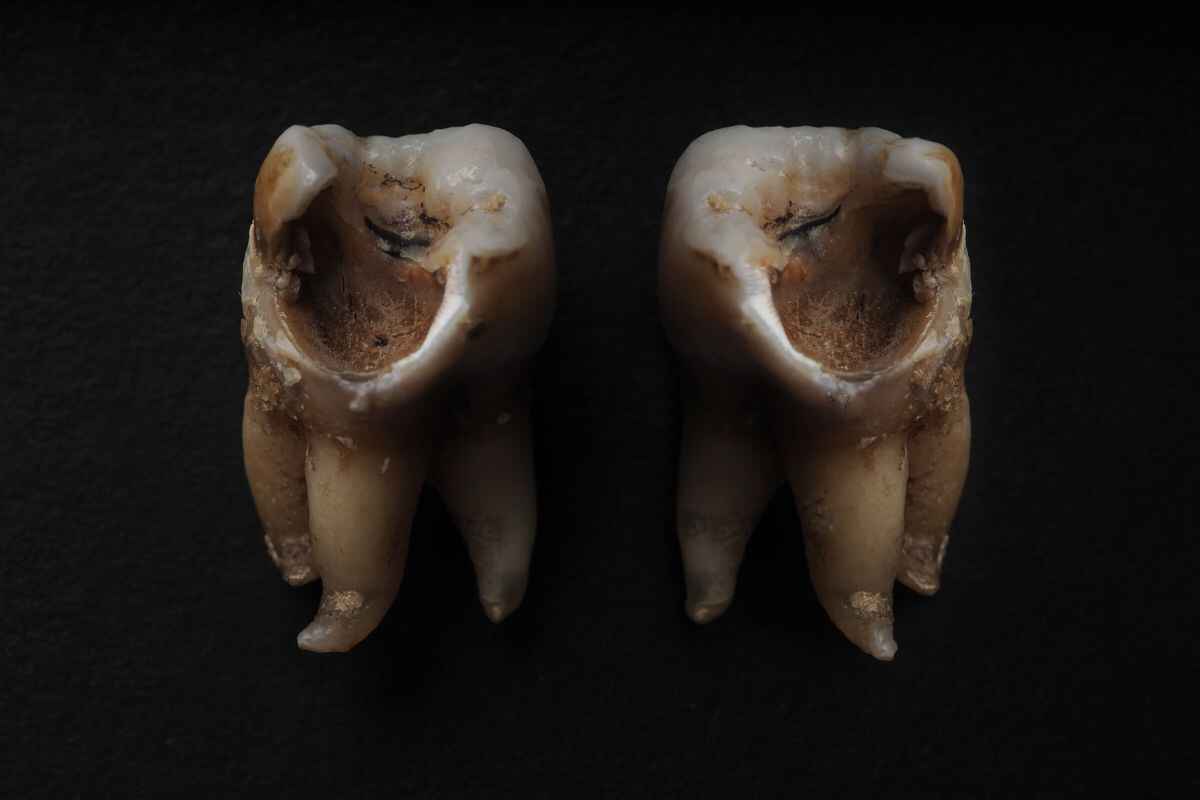
Once a cavity breaks through the enamel and forms a physical hole, the damage requires treatment. Before that point, however, enamel can strengthen and repair itself through a process called remineralization.
In this guide, we have explained how early decay develops, what you can do to stop it, and where lifestyle, diet, and seasonal factors can influence oral health.
Understanding the Early Stages of a Cavity
A cavity starts when acids produced by bacteria soften the enamel. This is known as demineralization, and you often won’t feel it happening. Sometimes you may notice a chalky white spot near the gumline or on the chewing surface. That is the earliest visible warning sign.
At this stage, the enamel structure is weakened but still intact. If we intervene now with consistent oral care, fluoride exposure, and better daily habits, we can often help the enamel rebuild minerals like calcium and phosphate. That’s why catching tooth decay early is so important.
Signs You Might Have an Early Cavity
Early decay rarely hurts, but you may notice:
- Sensitivity to cold or sweets
- A chalky or matte patch on a tooth
- Food catching in certain spots
- Mild discoloration
Once decay breaks through the enamel and reaches the dentin, the cavity can no longer reverse and needs a filling. If you notice any such signs, our Cypress dental office is ready to help. We focus heavily on prevention and early detection to keep your smile healthy.
What Actually Helps Reverse Early Decay?
1. Fluoride Exposure
Fluoride strengthens enamel and makes it more resistant to acid attacks. It can even repair weakened areas by helping the tooth absorb minerals more effectively.
Ways to boost fluoride:
- Fluoridated toothpaste
- Professional fluoride treatments
- Fluoridated community water
Patients who have higher cavity risk, dry mouth, snacking habits, or weak enamel, often benefit from prescription-strength fluoride.
2. A Steady Daily Routine
Consistency matters more than brushing harder. A simple routine done well can reverse early decay:
- Brush twice daily with fluoride toothpaste
- Floss once a day to remove plaque where cavities often begin
- Avoid brushing too aggressively, which can wear enamel
- Rinse after acidic foods
Many people brush regularly but rush through it. Slow, intentional brushing makes a noticeable difference.
3. Diet Changes That Support Remineralization
Frequent snacking feeds cavity-causing bacteria. Sugary and starchy foods create a long-lasting acidic environment.
To protect your teeth:
- Reduce snacks between meals
- Limit sugary drinks
- Eat fiber-rich foods and dairy to help neutralize acids
- Drink water throughout the day
Your mouth needs a break between meals to restore a healthy pH and repair itself.
4. Managing Dry Mouth
Saliva is one of the most powerful natural defenses against cavities. It washes away food particles, neutralizes acid, and carries essential minerals.
If you experience dry mouth:
- Drink more water
- Use sugar-free gum or lozenges
- Avoid mouthwashes with alcohol
- Run a humidifier at night
- Talk with us about professional options if dryness is chronic
Dry mouth is one of the most common, yet overlooked, factors that determines whether early decay can reverse.
How Winter in Cypress Can Increase Cavity Risk
Even though Cypress has a mild winter with cool temperatures from the mid-60s during the day to the mid-40s at night, this season can still impact your oral health.
- Cooler, drier air and indoor heating reduce humidity and moisture in the mouth. Many people also drink less water in winter, which further reduces saliva flow.
- With less saliva, bacteria and acids linger longer on the teeth, making early decay more likely to progress.
- Cold air also triggers sensitivity in teeth that already have weakened enamel, and moving between cold outdoor air and warm drinks can cause tiny stress cracks in the enamel.
While winter here is far from harsh, these small vulnerabilities create opportunities for decay to worsen if not addressed early.
Need Help Protecting or Rebuilding Your Enamel?
If you’re noticing sensitivity, white spots, or anything that feels “off,” Contact our Cypress office to schedule a visit. We can help you determine whether the enamel is still in a reversible stage. Our team provides thorough exams, personalized cavity-prevention plans, and treatments designed to protect your long-term oral health.