
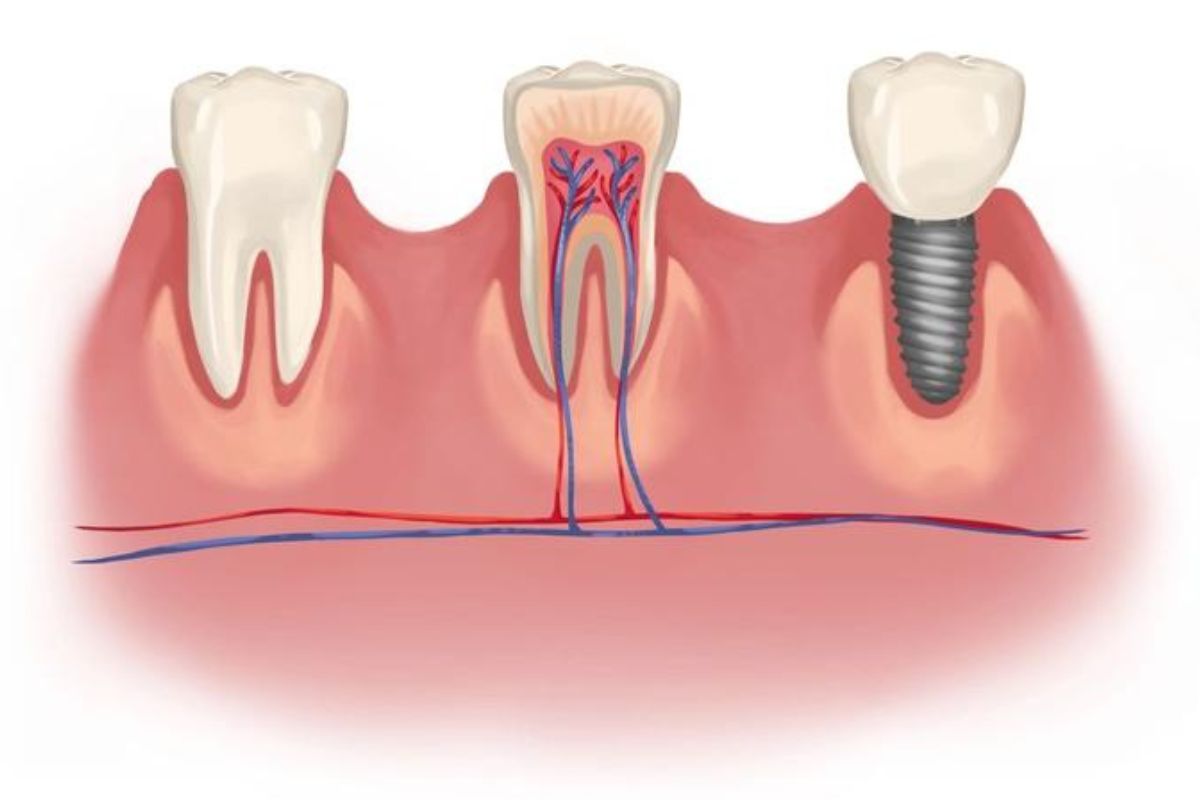
Embarking on the journey of getting dental implants is a step towards a brighter, healthier smile. These implants, a long-lasting solution that closely resembles natural teeth, can significantly enhance your oral health and overall appearance. While every medical procedure carries some risks, understanding how to avoid complications such as infections is key to ensuring your procedure is successful and leads to a radiant smile.
Maintaining a Healthy Mouth Before the Procedure
Before getting dental implants, your mouth must be in optimal health. This means addressing existing issues, such as gum disease or cavities, before scheduling your procedure. A healthy oral environment significantly reduces the risk of complications. Regular brushing, flossing, and mouthwash are essential, but seeing your dentist regularly for cleanings and checkups is equally important. If you’re in Austin, TX, a dentist can assess your oral health and ensure you’re ready for implants.
Proper preparation before implant surgery minimizes risks and enhances the healing process afterward. Not only should you focus on your oral health, but maintaining a balanced diet rich in nutrients can also boost your immune system, helping your body recover efficiently.
Choosing the Right Dentist and Facility
When it comes to planning for dental implants, the choice of a skilled and experienced dentist is paramount. Look for a dentist in Austin, TX, who specializes in implant procedures and has a proven track record of successful outcomes. The right dentist will use advanced technology to assess your jawbone, gums, and overall oral health, ensuring that implants are a suitable and safe option for you.
It’s also essential that your chosen facility follows strict sterilization protocols to avoid infection. A reputable dentist should explain every aspect of the procedure, including the steps to prevent complications. Feel free to ask about their success rates and post-procedure care recommendations.
How to Prevent Dental Implant Infection
Post-surgery care is just as crucial as the procedure itself. Once your implants are in place, maintaining excellent oral hygiene is vital to preventing infection. Here are some essential tips:
- Keep the Area Clean: After surgery, your dentist will provide instructions on how to clean the Area. Gently rinse with a saltwater solution to reduce swelling and minimize bacteria.
- Avoid Smoking: Smoking delays healing and increases the risk of infection. It can also cause your implants to fail by affecting the integration of the implant with your bone.
- Take Prescribed Medications: If your dentist prescribes antibiotics or pain relief, follow the instructions carefully to prevent infection and manage discomfort.
- Watch for Signs of Infection: Swelling, pain, and redness that worsen over time could indicate an infection. If you notice any unusual symptoms, contact your dentist immediately.
Ensuring a Smooth Healing Process
The success of your dental implants heavily relies on how well you care for them during the healing process. Follow these tips to support your recovery:
- Soft Diet: Stick to soft foods like yogurt, mashed potatoes, and soups in the initial days after surgery. Gradually introduce more solid foods as your mouth heals.
- Stay Hydrated: Drink plenty of water, which helps flush out toxins and moisten your mouth. Avoid sugary drinks, alcohol, and caffeine, which can interfere with healing.
- Gentle Brushing: Use a soft-bristle toothbrush to gently clean your teeth and implants. Avoid the surgical Area until it heals fully, but keep the surrounding teeth and gums clean.
- Attend Follow-Up Appointments: Regular visits to your Austin dentist are critical for tracking your healing progress and ensuring the implant integrates correctly with your bone.
Long-Term Care for Your Dental Implants
Once your implants have healed, long-term care is necessary to ensure their success. Dental implants can last for decades with proper care. Here’s how to make sure they do:
- Practice Daily Oral Hygiene: Brush and floss daily, paying extra attention to the Area around the implant. Although implants aren’t susceptible to cavities, plaque buildup can cause gum disease, leading to complications.
- Regular Dental Checkups: Continue seeing your dentist in Austin, TX, for routine exams and professional cleanings. Your dentist can catch early signs of potential issues before they develop into serious problems.
- Wear a Night Guard if Necessary: If you grind your teeth at night, ask your dentist about a night guard. Grinding can put undue pressure on your implants, potentially leading to failure.
- Healthy Lifestyle: Maintaining a healthy lifestyle is critical to the longevity of your implants. A balanced diet and avoiding harmful habits like smoking can ensure your implants stay in excellent condition.
Q. How long does it take for a dental implant to heal fully?
A: Healing time for a dental implant varies from person to person. Typically, it takes about 3 to 6 months for the implant to integrate with the bone fully. Factors like overall health, bone density, and adherence to post-operative care can affect healing time. Following your dentist’s recommendations and attending regular checkups are crucial for ensuring a smooth recovery.
A successful dental implant procedure depends on your choices before, during, and after the surgery. By selecting an experienced Austin dentist, following post-surgery care instructions, and committing to long-term oral hygiene, you can avoid complications and enjoy the benefits of your new smile for years to come.